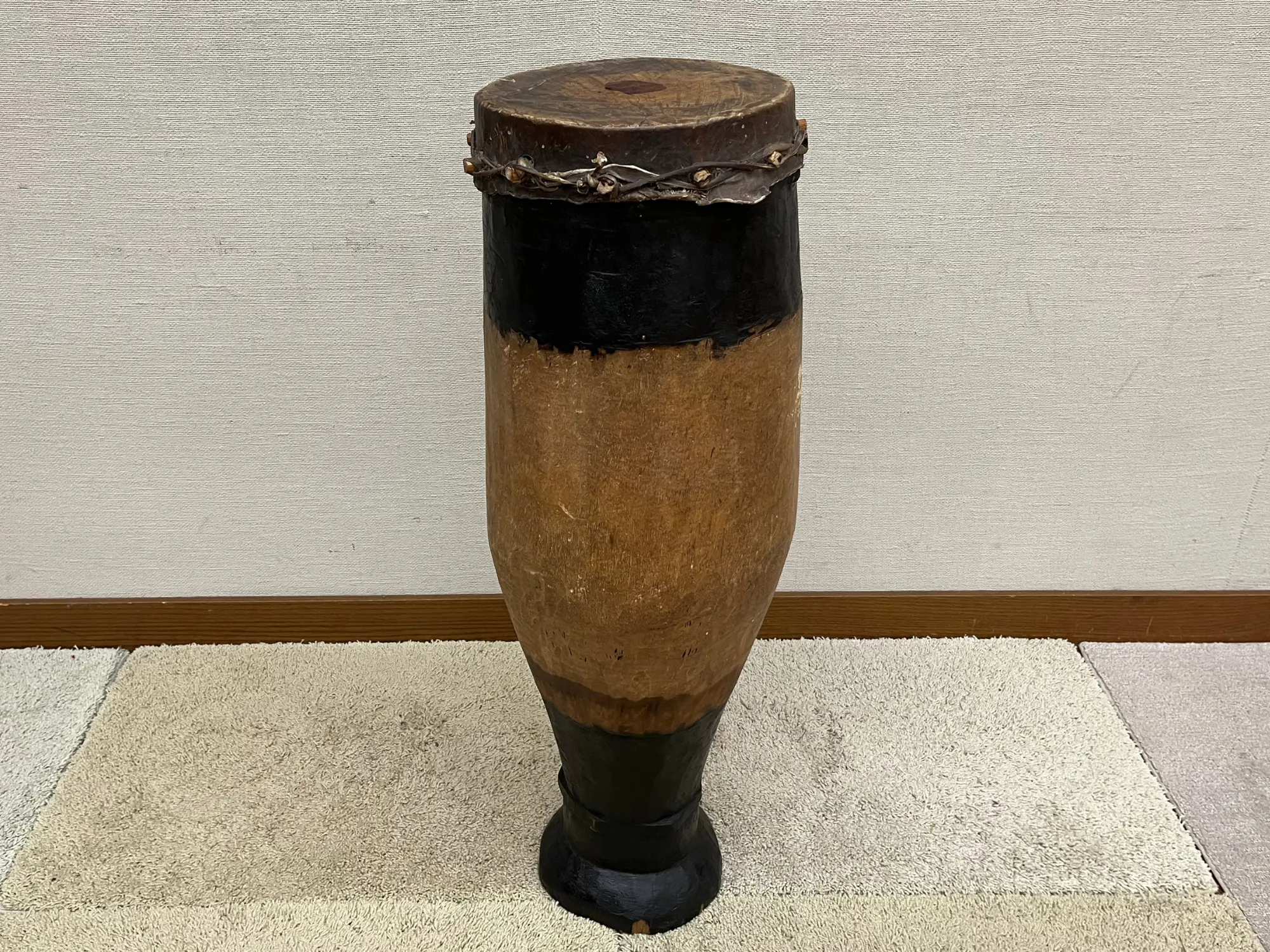
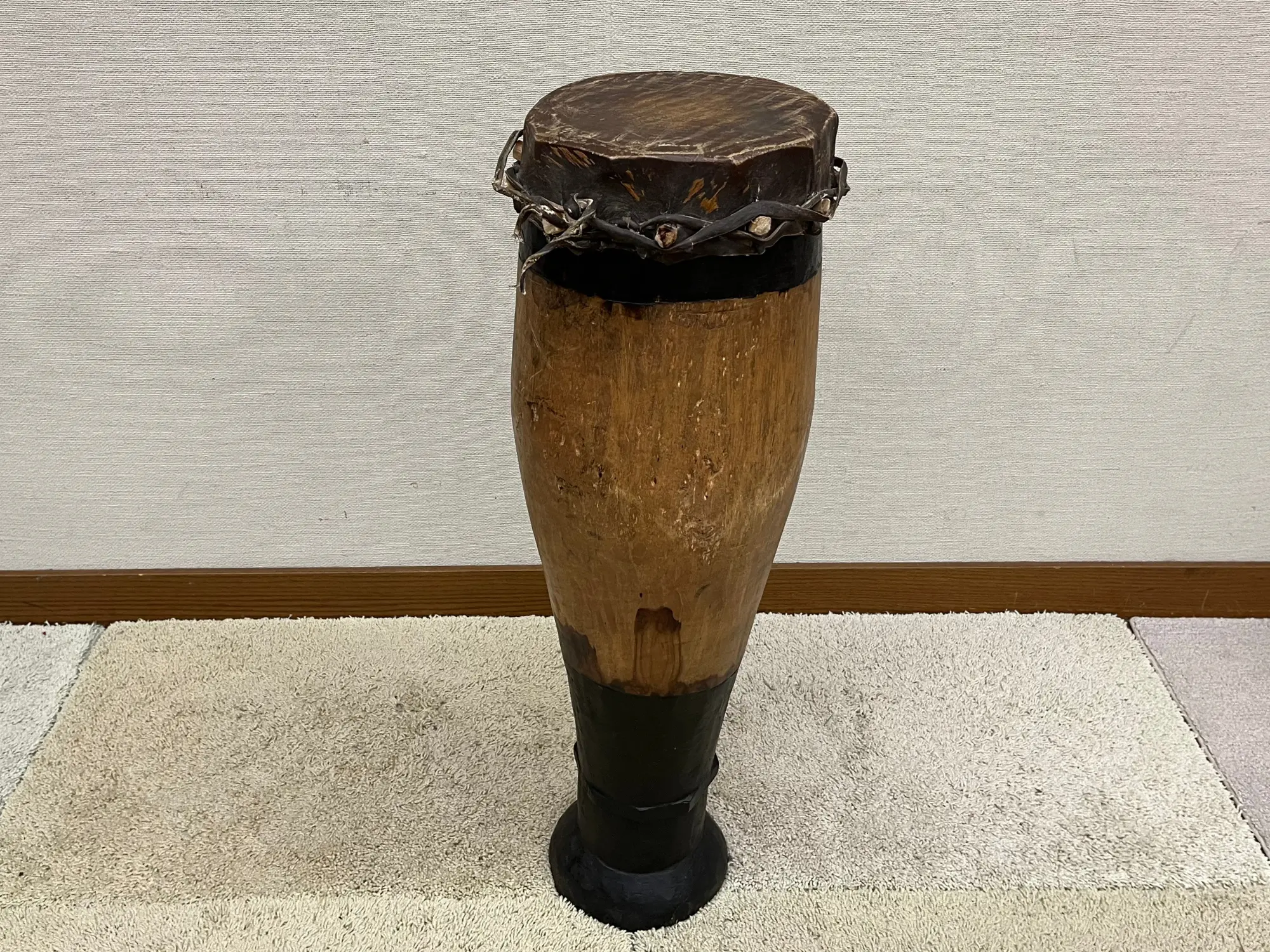
In makishi performances that require percussion ensemble music, drums undergo a two-step tuning process. The goals of this process are to change each drum’s pitch and timbre.
First, drums are heated in a process called kuzumisa or kukangula. This raises the pitch and gives it a tighter, drier, and louder tone (kukanguka). There are two ways to heat the drums:
stand the drum up and leave it out in the sun anywhere from one to several hours OR
place or hold the drumhead near a fire for about five minutes
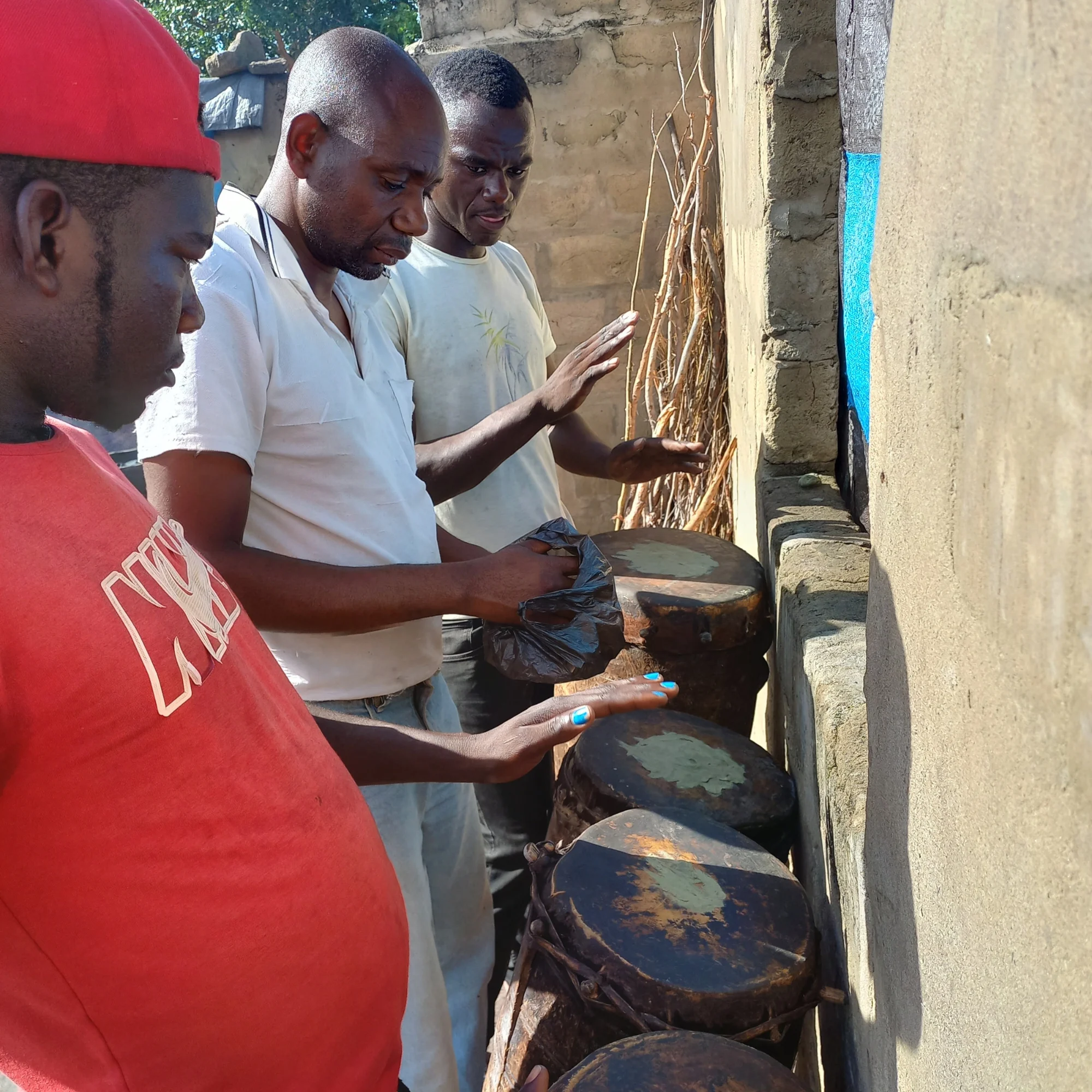
heating drums in Mongu, Zambia; April 2 2022
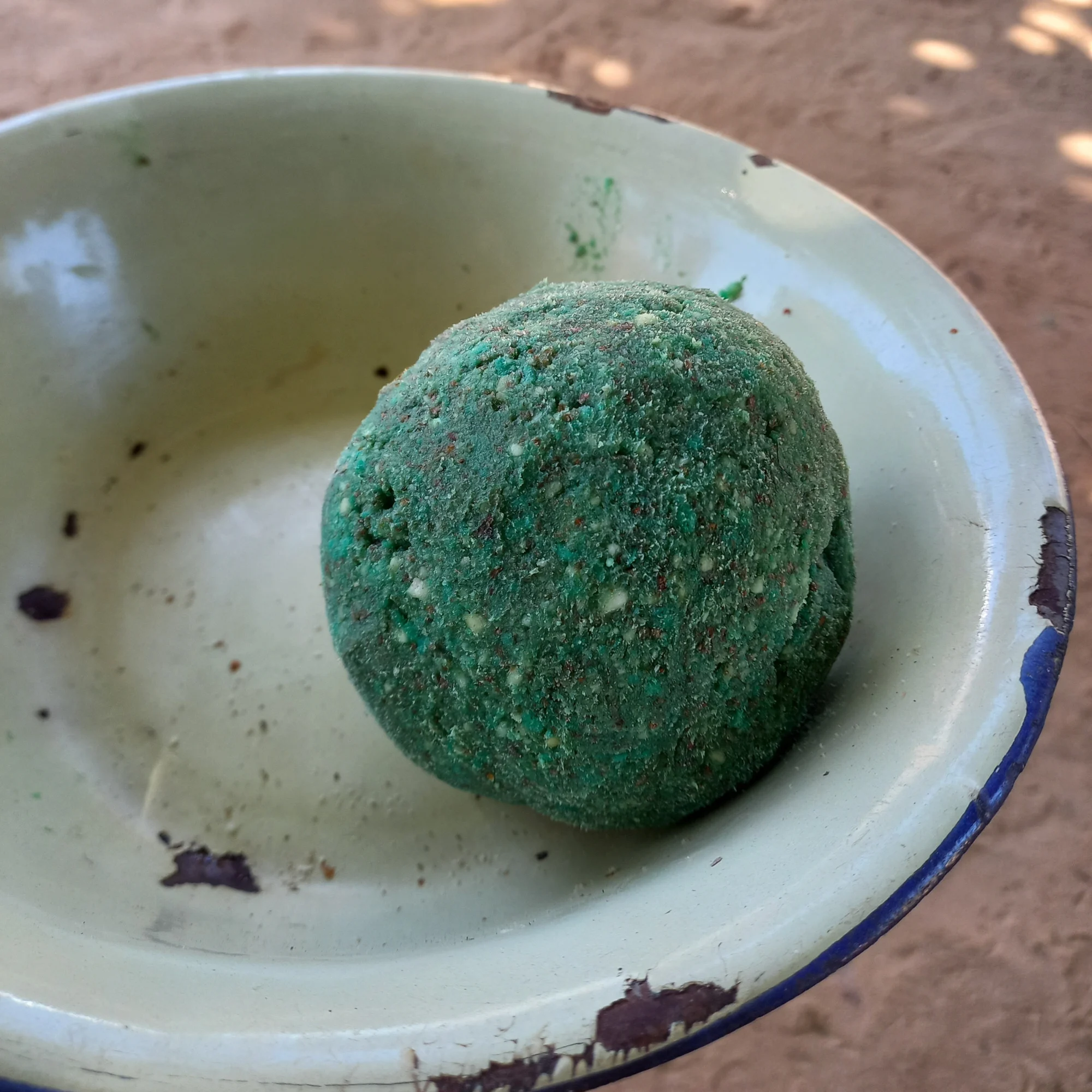
Second, one applies ulezo tuning paste to the center of the drumhead. Though historically made from jimono (castor seeds), ulezo is currently made out of a combination of fatty materials such as groundnuts, laundry bar soap, motor oil, honey, and/or all-purpose putty. Ulezo application lowers the pitch of each drum and gives it a booming, rumbly, slack tone (kumbumbula). Drummers use a significant amount of ulezo on lower drums and much less on higher drums, often not even applying any to the ngoma yakasumbi. While ulezo is an absolute necessity for drums in shina instrumentation, it is not always required for the instruments of the ngoma pwita ensemble. Though the Kachacha dance does not accompany any makishi, it is worth noting that ulezo is absolutely vital to the drum chime of this ensemble.
ulezo in Zambezi, Zambia; 2022; made by Kapalu Lizambo
Likumbi Lya Mize Western Province Mongu applying ulezo in Mongu, Zambia; 4/4/2022 (L-R) Musole Chipango, Chihungwa Kapalu, Kasanga Nsamba
The following audio examples demonstrate how much the pitch and timbre of a ngoma drum changes during this two-step tuning process. I provide examples of various strokes (open, slap, bass) on four different drums (shina, ngoma yahakachi, ngoma yakusongo, ngoma yakasumbi) at three different stages of the process (before any tuning, after kuzumisa, after ulezo application). These are just 25 of the 412 sounds I analyzed in the fourth chapter of my dissertation, “The Sounds of Makishi: Luvale Spirit Manifestation, Music, and Timbre in Zambia.” Further analysis of ulezo can be found here.
(ngoma ya) shina
open stroke before any tuning performed by Chota
open stroke after kuzumisa performed by Chota
open stroke after ulezo application performed by Chota
slap stroke before any tuning performed by Chota
slap stroke after kuzumisa performed by Chota
slap stroke after ulezo application performed by Chota
bass stroke before any tuning performed by Chota
bass stroke after kuzumisa performed by Chota
bass stroke after ulezo application performed by Chota
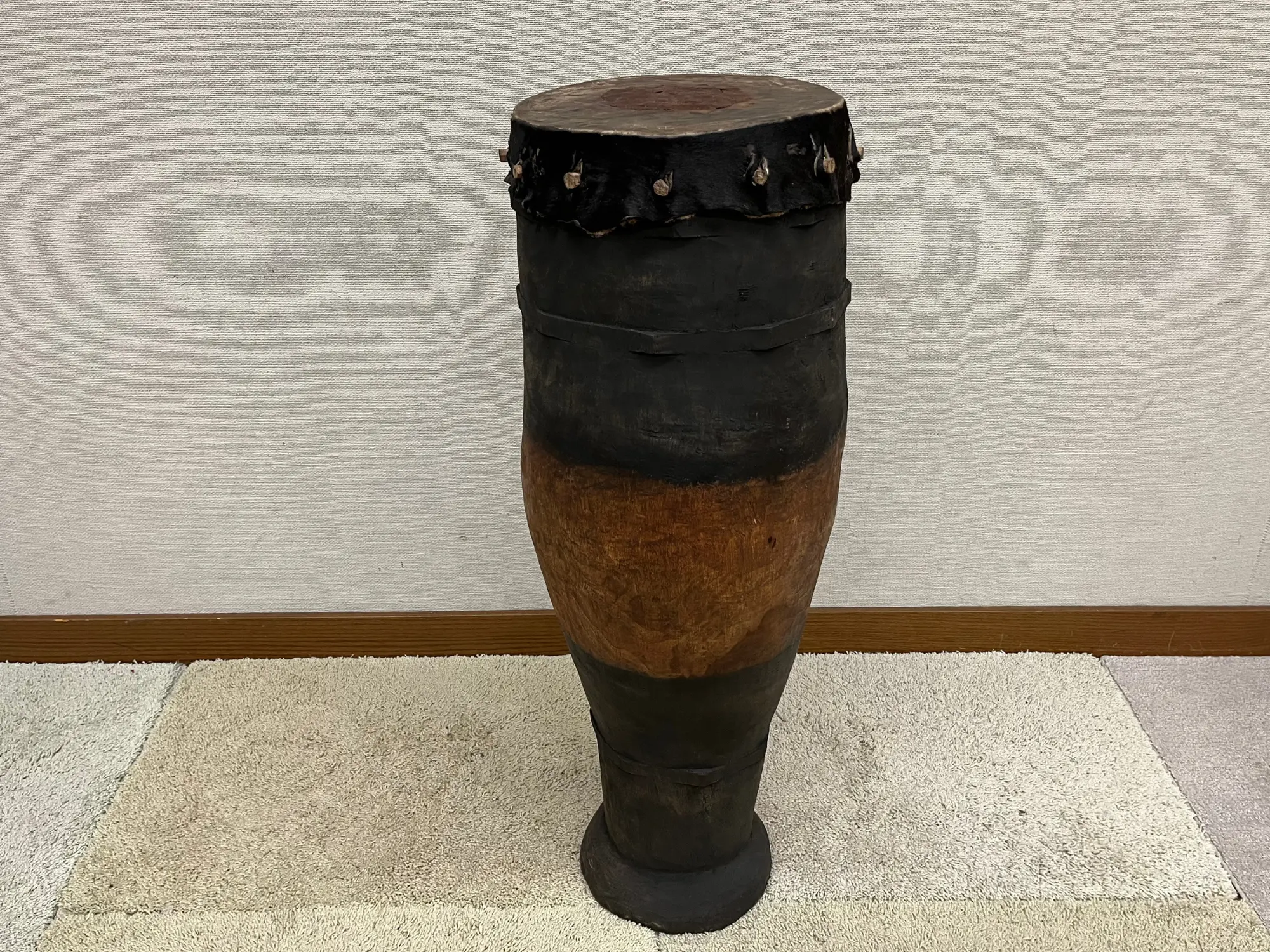
(ngoma ya) shina from Zambezi, Zambia
ngoma yahakachi
open stroke before any tuning performed by Chota
open stroke after kuzumisa performed by Chota
open stroke after ulezo application performed by Chota
slap stroke before any tuning performed by Chota
slap stroke after kuzumisa performed by Chota
slap stroke after ulezo application performed by Chota
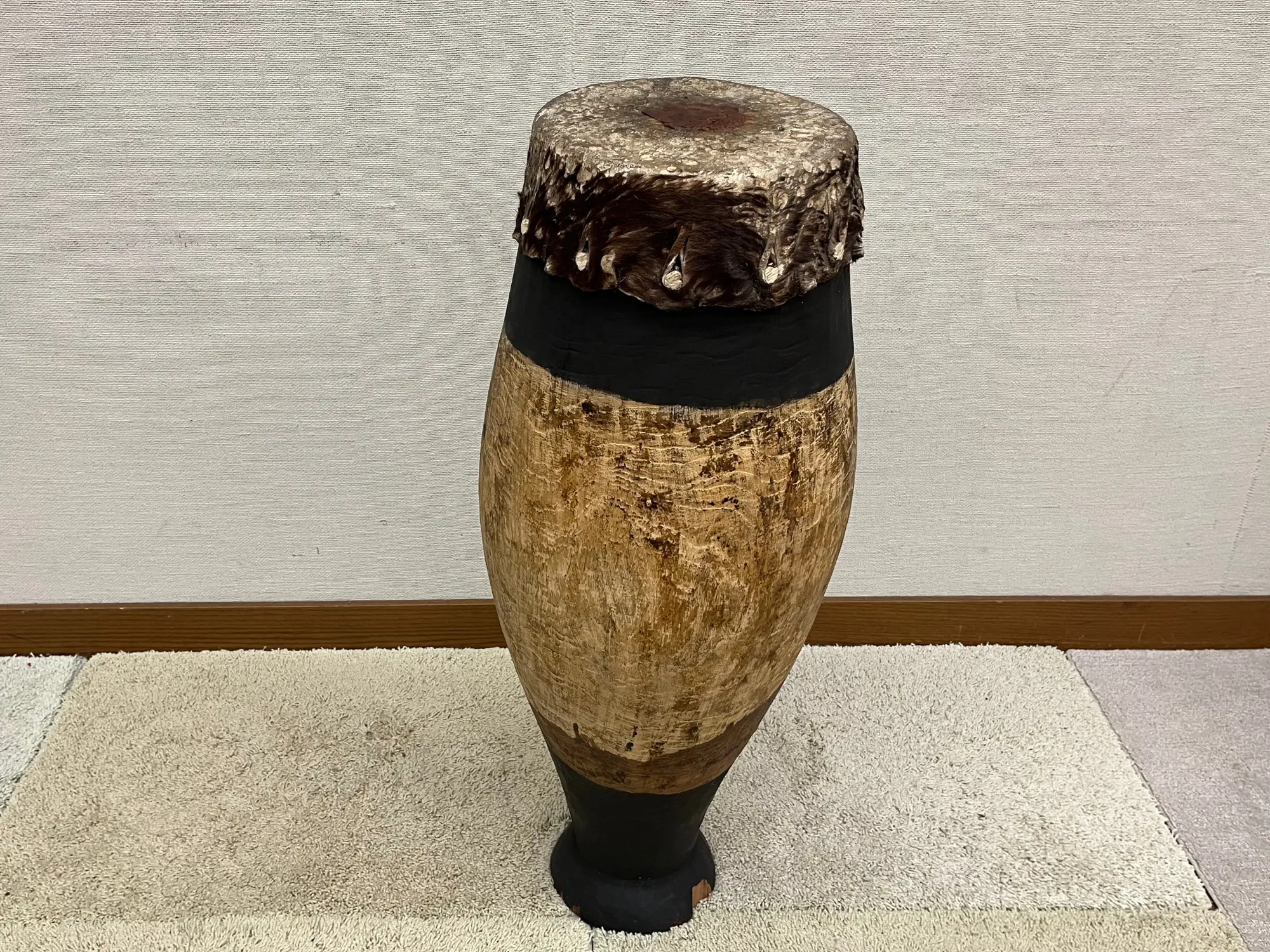
ngoma yahakachi from Zambezi, Zambia
ngoma yakusongo
open stroke before any tuning performed by Likumbi Lya Mize Western Province Mongu
open stroke after kuzumisa performed by Likumbi Lya Mize Western Province Mongu
open stroke after ulezo application performed by Likumbi Lya Mize Western Province Mongu
slap stroke before any tuning performed by Likumbi Lya Mize Western Province Mongu
slap stroke after kuzumisa performed by Likumbi Lya Mize Western Province Mongu
slap stroke after ulezo application performed by Likumbi Lya Mize Western Province Mongu
ngoma yakusongo from Zambezi, Zambia
ngoma yakasumbi
open stroke before any tuning performed by Likumbi Lya Mize Western Province Mongu
open stroke after kuzumisa performed by Likumbi Lya Mize Western Province Mongu
slap stroke before any tuning performed by Likumbi Lya Mize Western Province Mongu
slap stroke after kuzumisa performed by Likumbi Lya Mize Western Province Mongu
ngoma yakasumbi from Zambezi, Zambia
Much of the research on this page results from collaboration with Lena Heng as part of our work with the ACTOR Collaborative Student Project Grant. A previous version of this research is available here.
Winikoff, Jason, and Lena Heng. 2024. “Ulezo: Mapping Acoustic Properties to Timbre Descriptors in Zambian Luvale Drum Tuning.” Timbre and Orchestration Resource (blog). 2024. https://timbreandorchestration.org/writings/project-reports/ulezo.