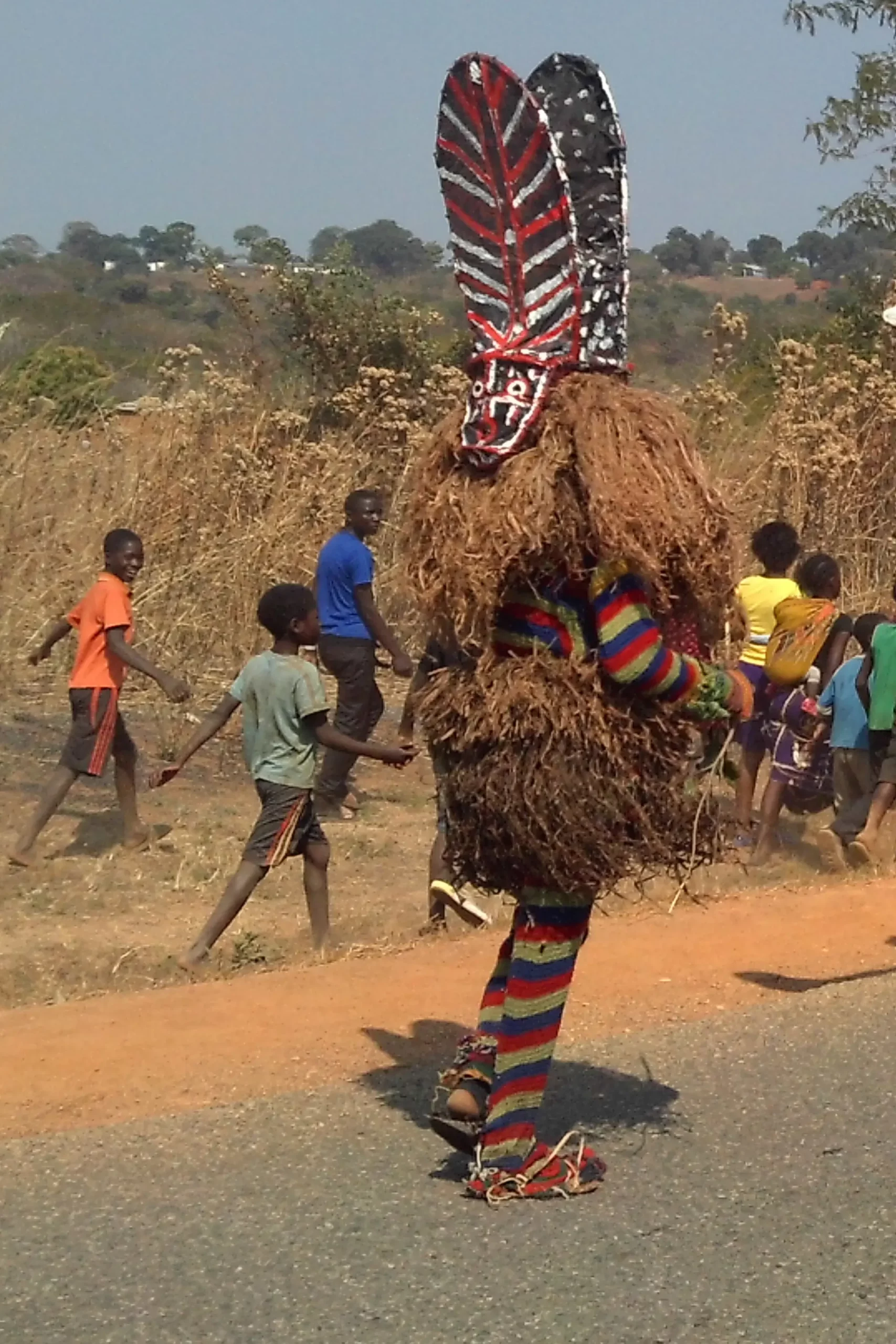
Kuhunga (makishi)

Alternate Name: Ukuza

Lenga Navo featuring Kapapa performing Kuhunga (makishi) on July 12, 2022 in Zambezi, Zambia;
higher quality audio is available in Makishi Music: Chokwe, Luchazi, Luvale, and Mbunda Spirit Manifestation in Zambia released by ILAM;
for higher quality video, download from “Videos of Luvale (and Related) Sonic Culture” link

Origin: Chokwe

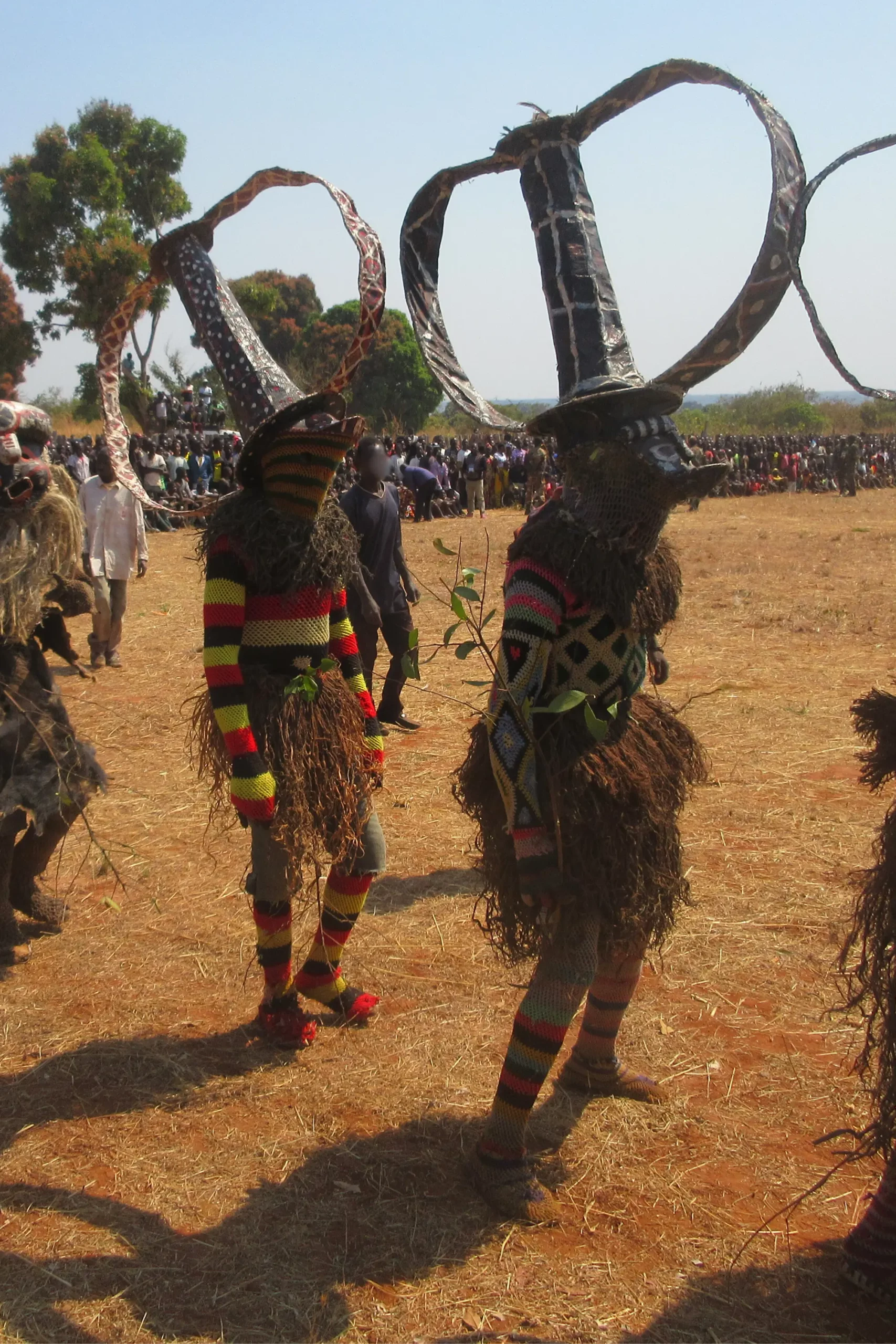
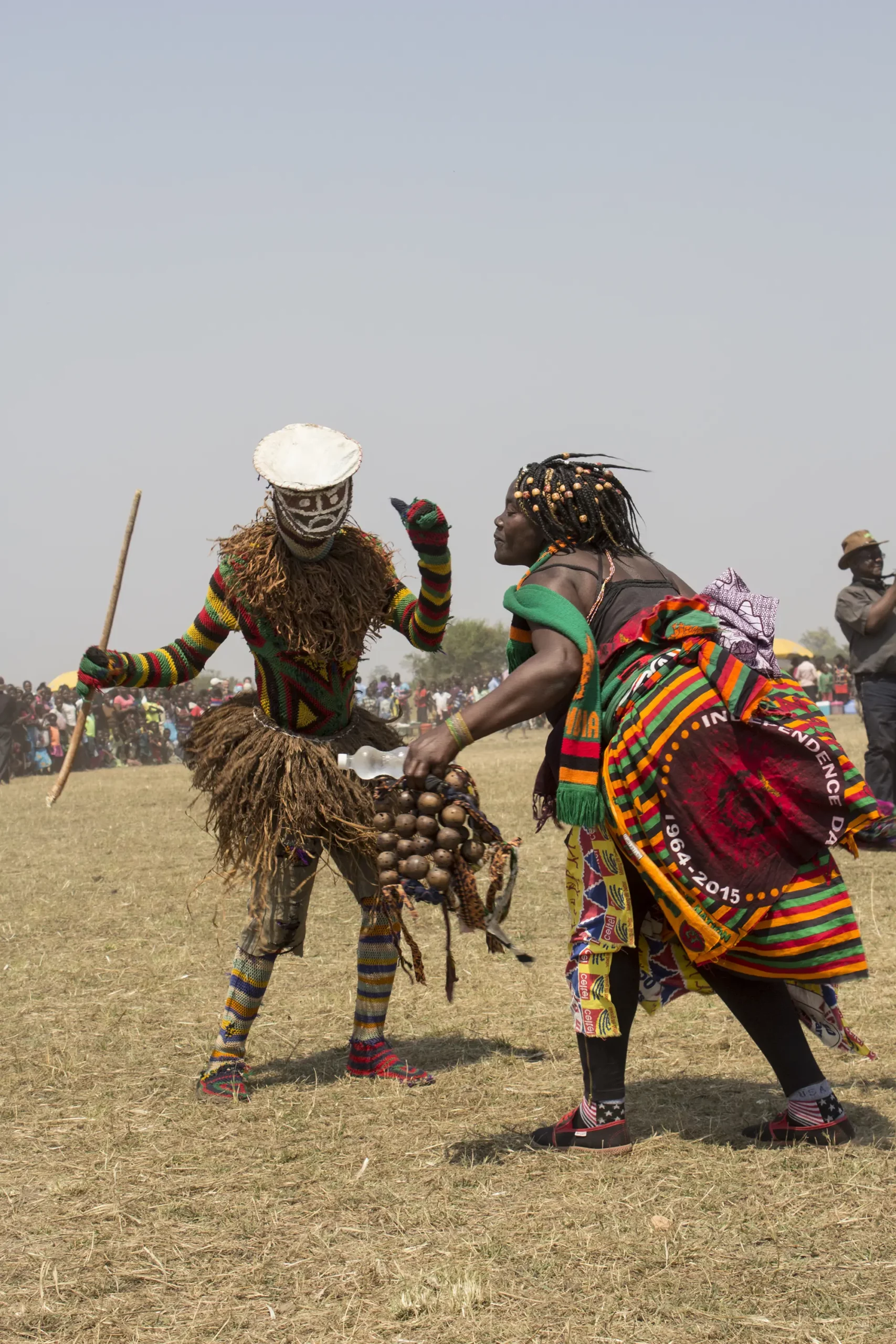
There are two versions of Kuhunga repertoire: one for makishi and one for tundanji (male initiates) (Kubik 1994, 370, 376-377).1 Although the dance is similar, these versions have different drumming, songs, and performance settings. Kuhunga (makishi) is the primary dance of Chokwe spirits. These makishi, however, are also frequently at mikanda (traditional male initiation schools) and festivals of Luchazi, Luvale, and Mbunda communities. As a result, it is widespread in this shared cultural region. Kuhunga (makishi) is almost exclusively performed at vilende (large dance events) during festivals, or at the end of mukanda (male initiation school) ceremonies. One chilende (singular of vilende) usually features many performances of this dance.

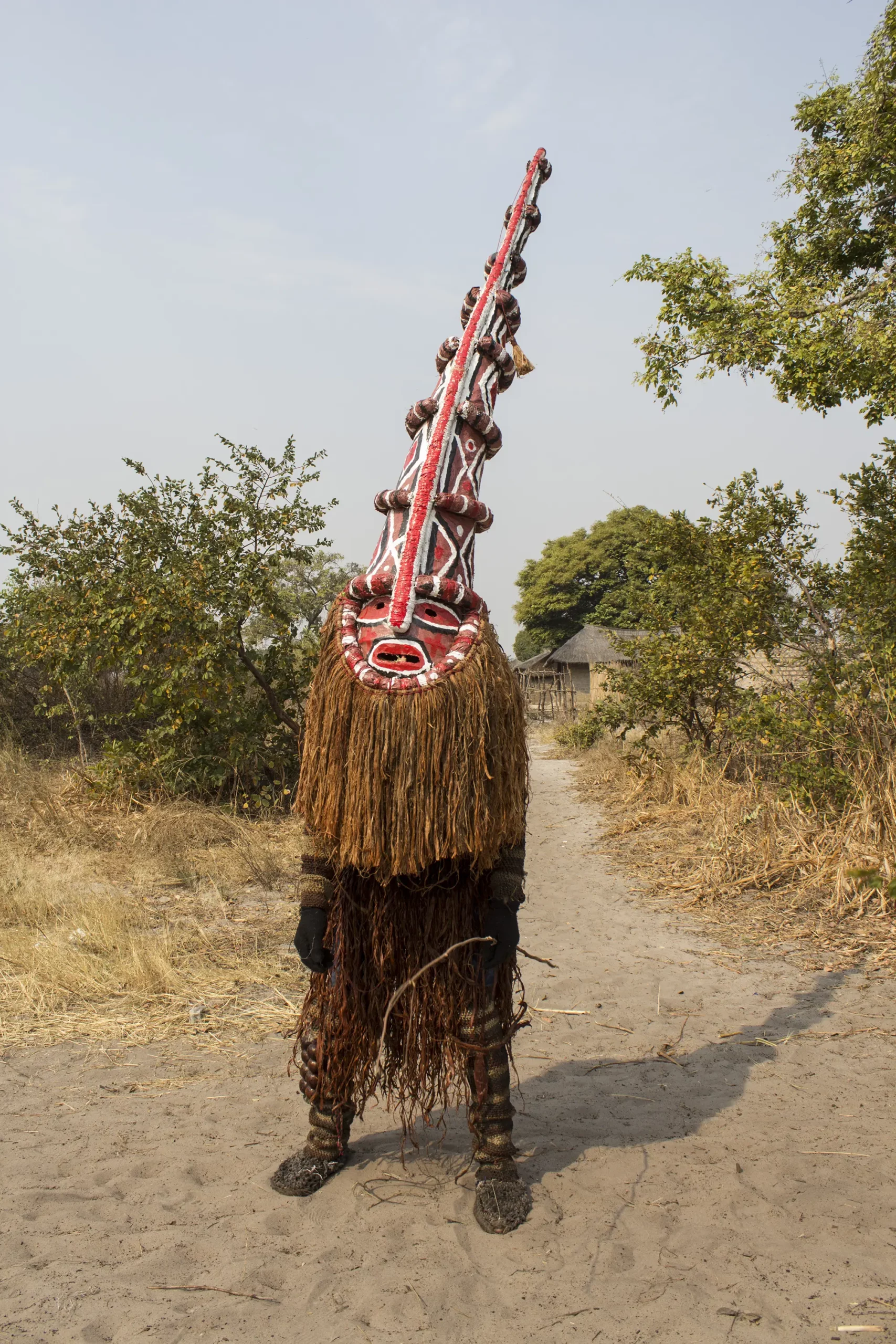
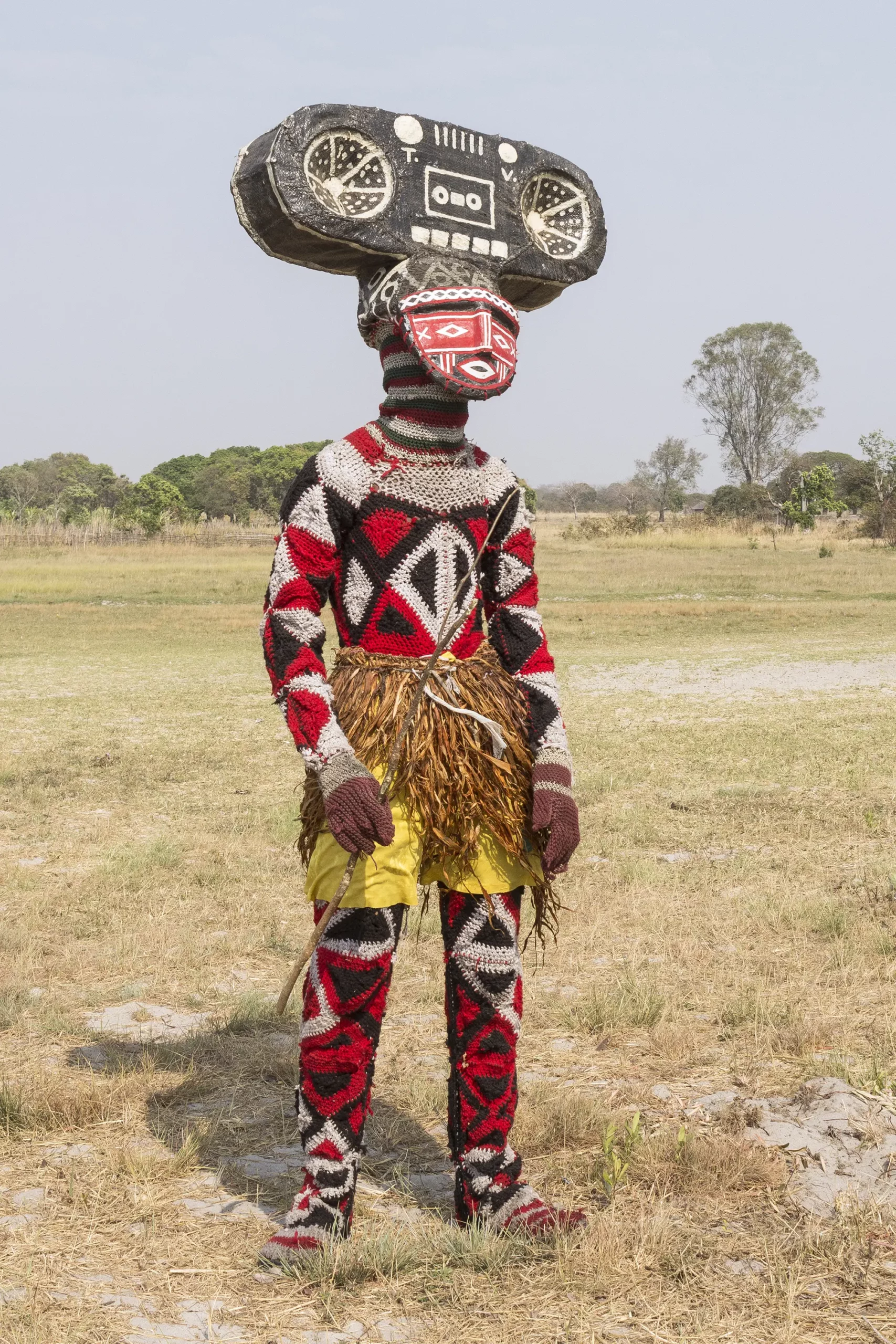
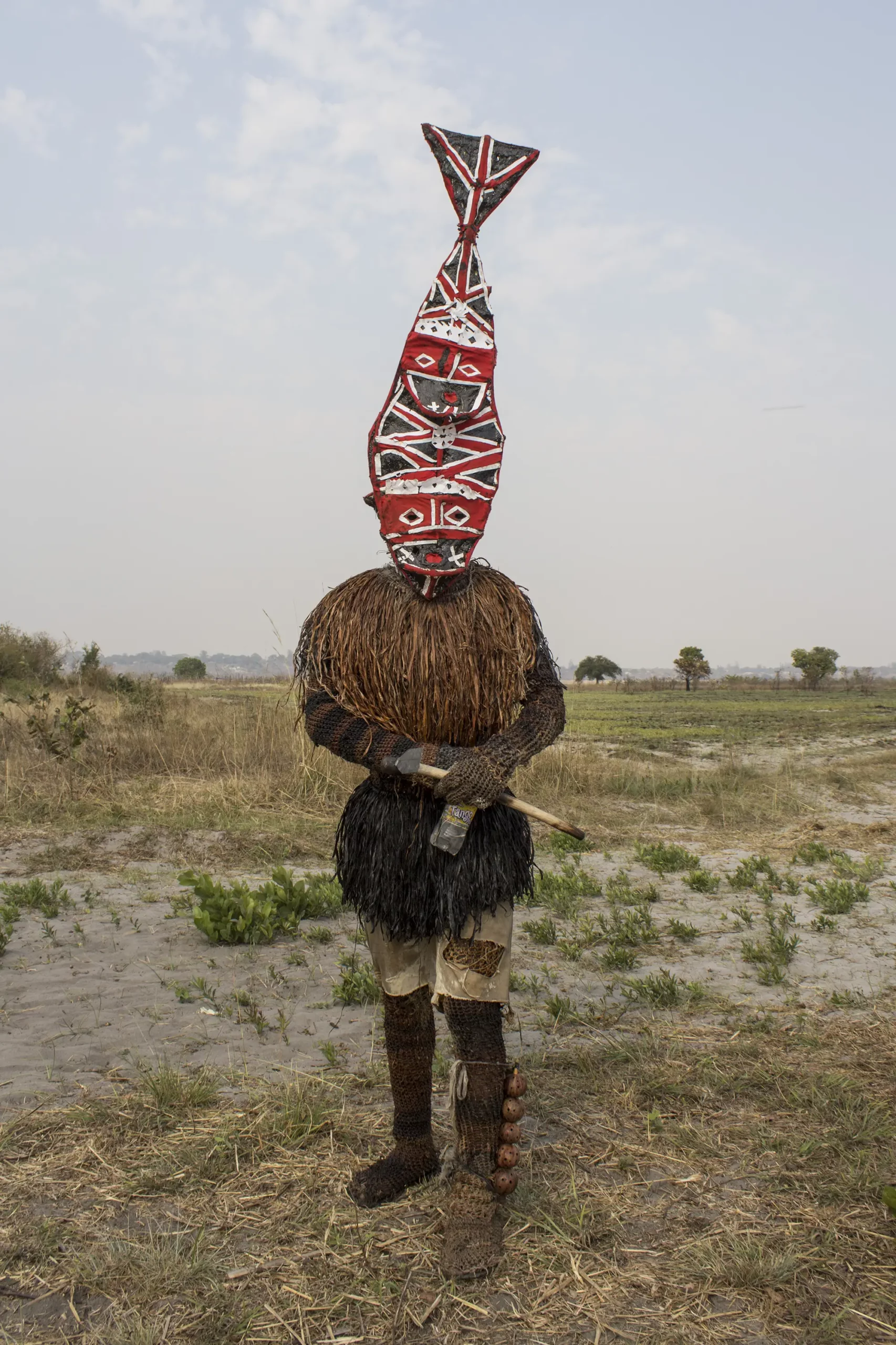
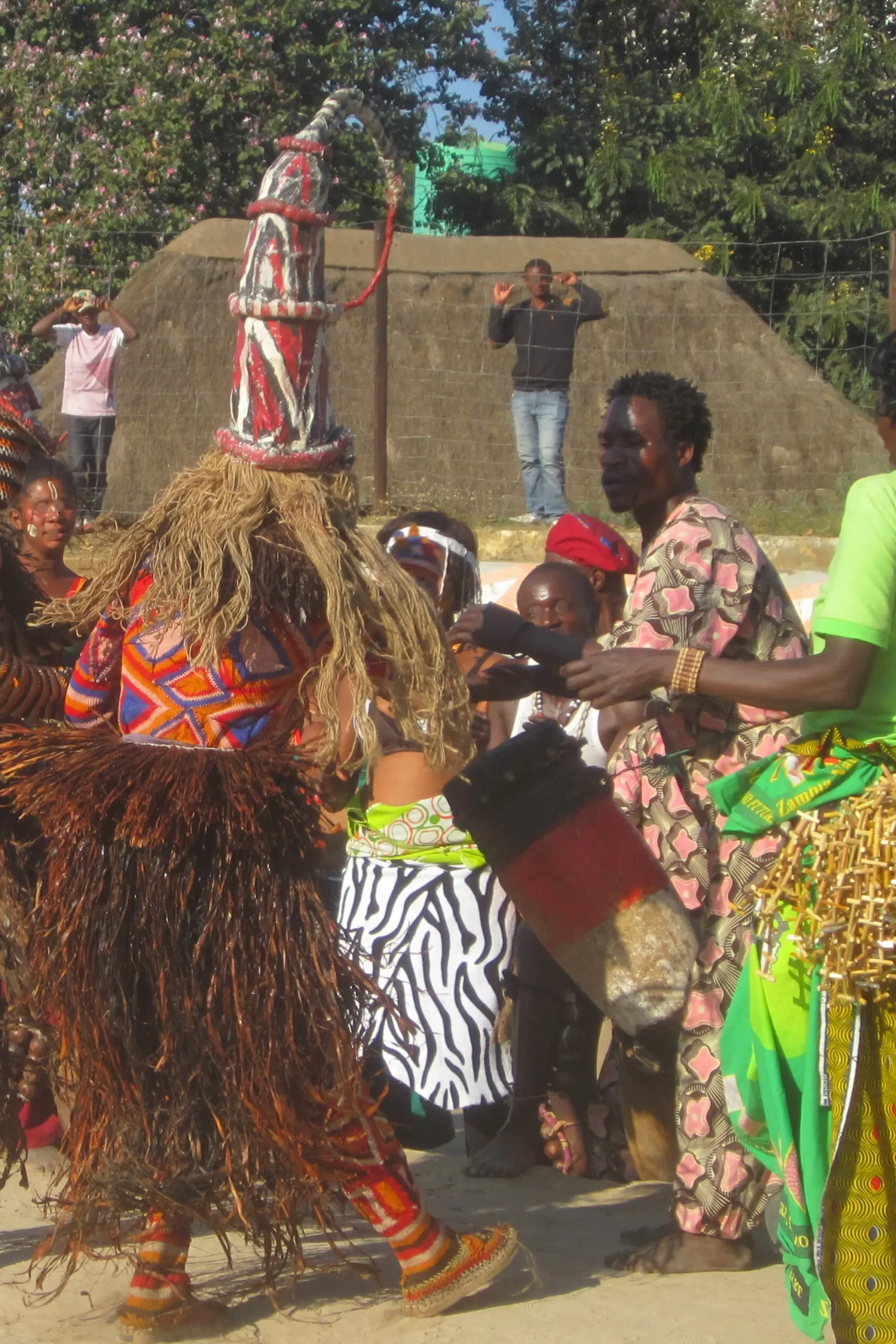
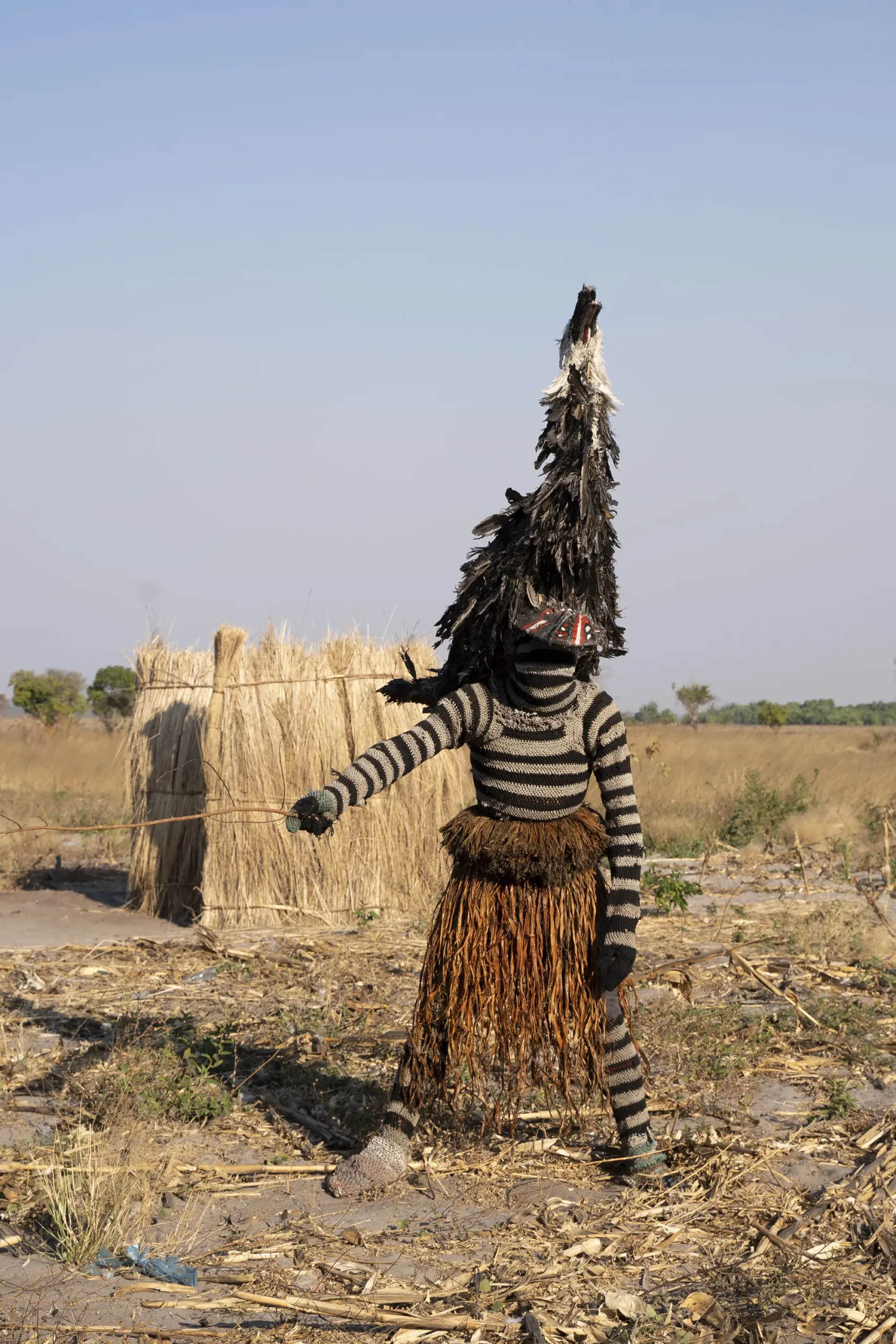
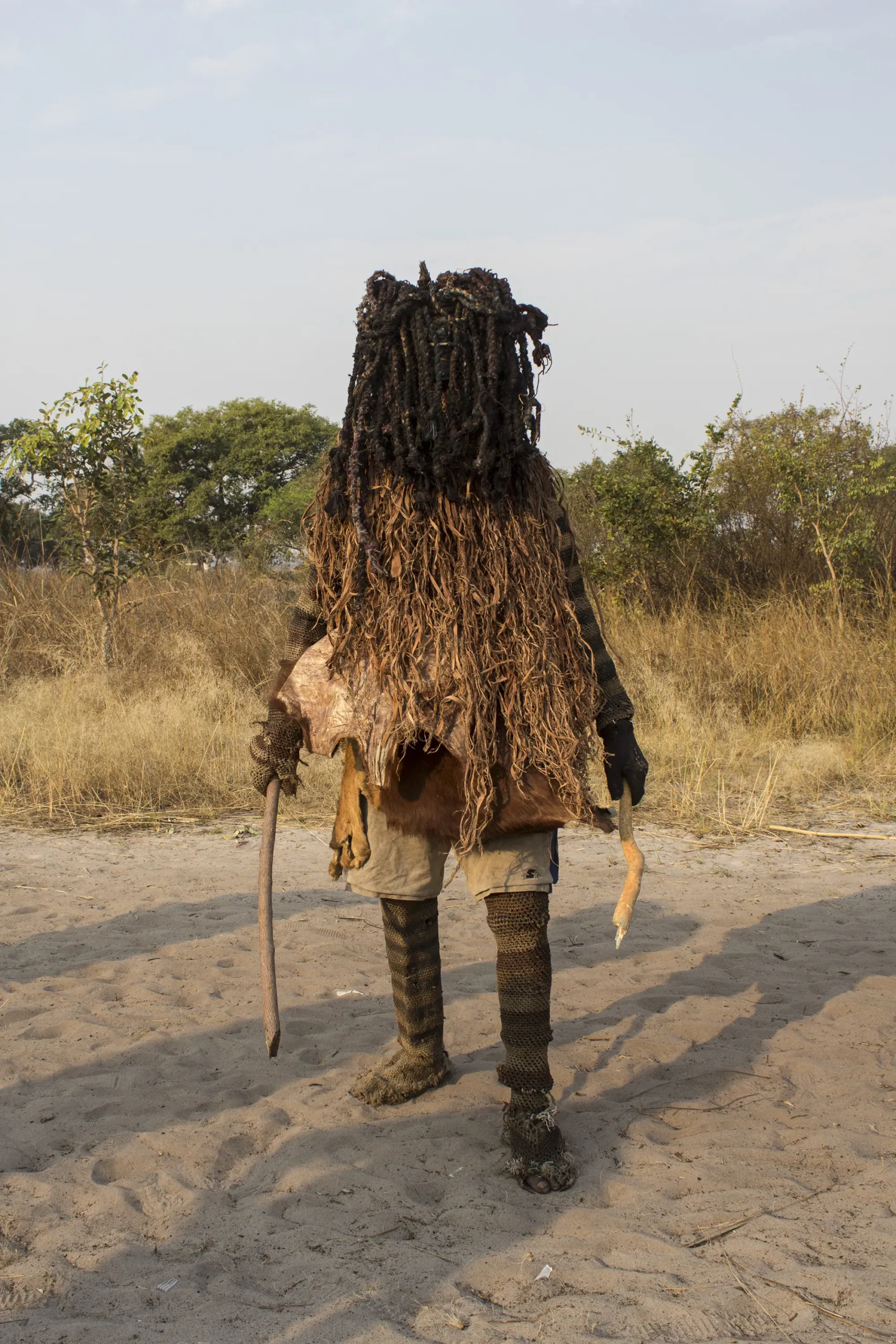
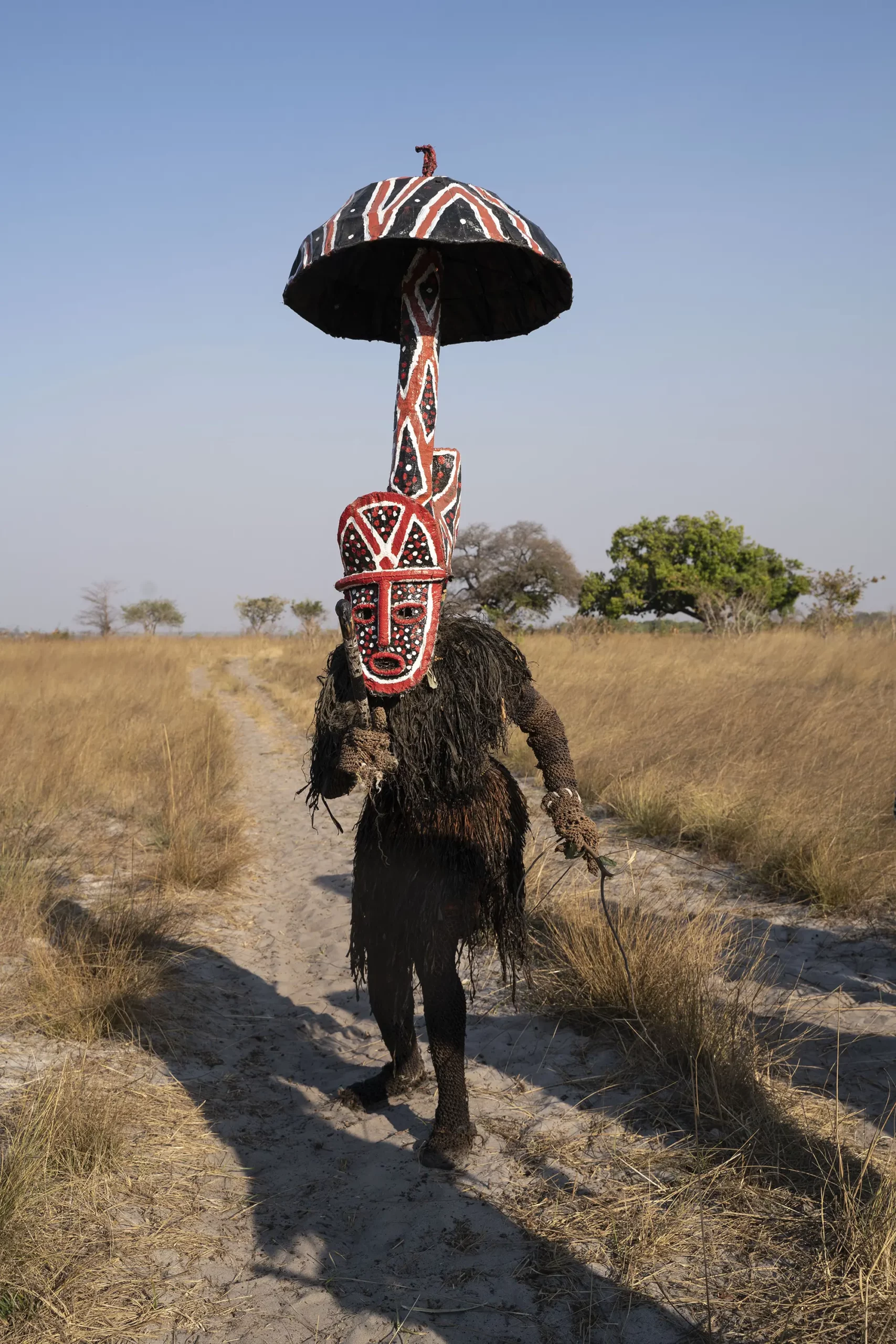
Many drummers refer to this item of repertoire as “Ukuza,” demonstrating how the likishi Chikuza is the face of the dance. Before dancing Kuhunga, Chikuza (and sometimes Kalelwa or Kapapa) performs the oral briefing of kutanga as a prelude.2 The makishi who perform kutanga teach the tundanji how to dance Kuhunga. However, Kuhunga is also danced by other spirits who do not instruct the initiates, almost all of whom are aggressive in temperament (Penoni 2018, 234).3 Most of these makishi wear mizombila (long bark-cloth skirts) and/or jizombo (short bark-cloth skirts) around their waists. The placement of these skirts is vital since makishi wearing jizombo solely around their necks usually dance Unyanga.

Whether danced by makishi or tundanji, the characteristic motion of Kuhunga is a swiveling waist isolated from alternating footwork. When performed correctly, the mizombila and/or jizombo rotate and stay suspended in air (Wele 1993, 27).4

Instrumentation

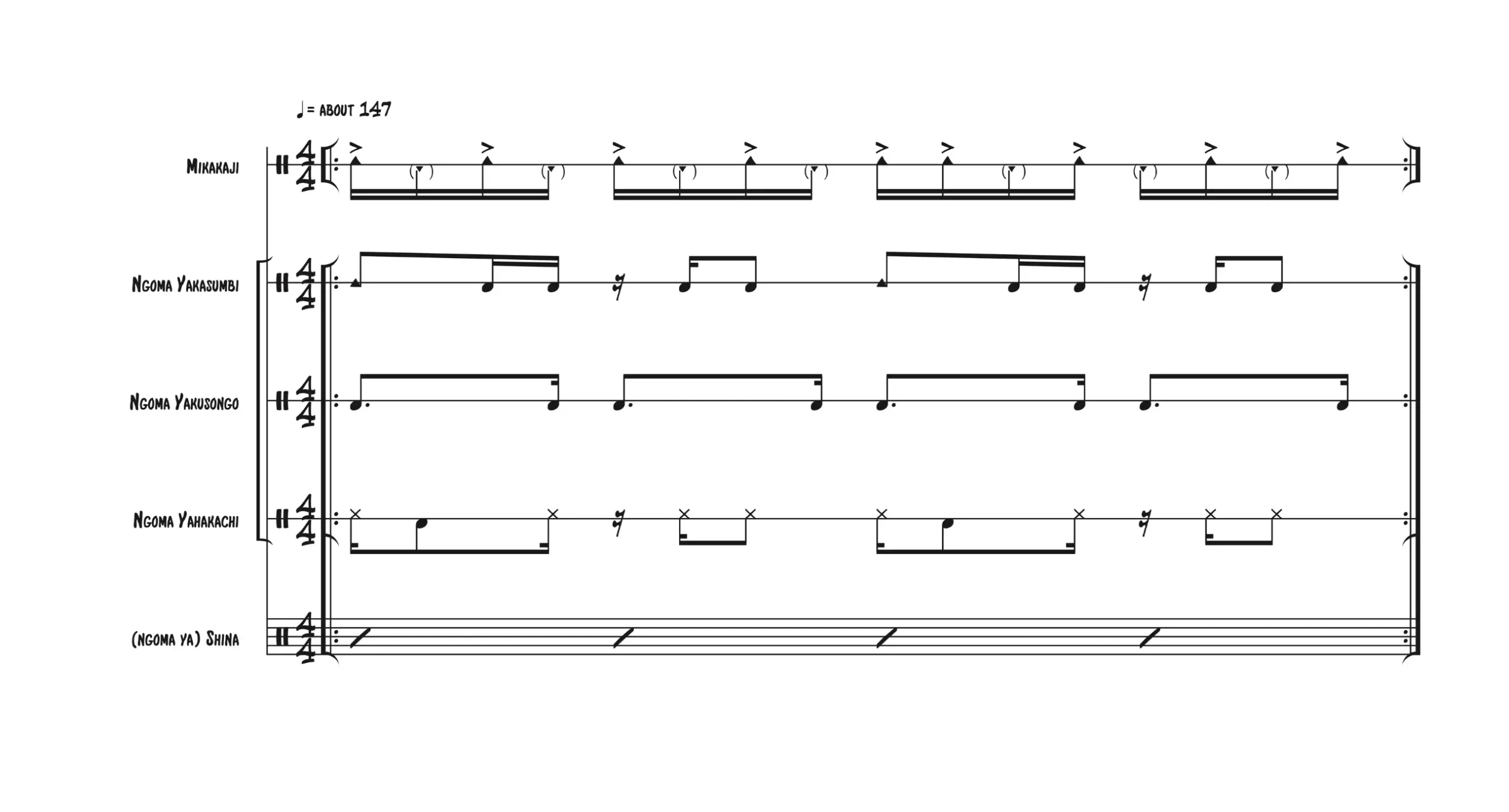
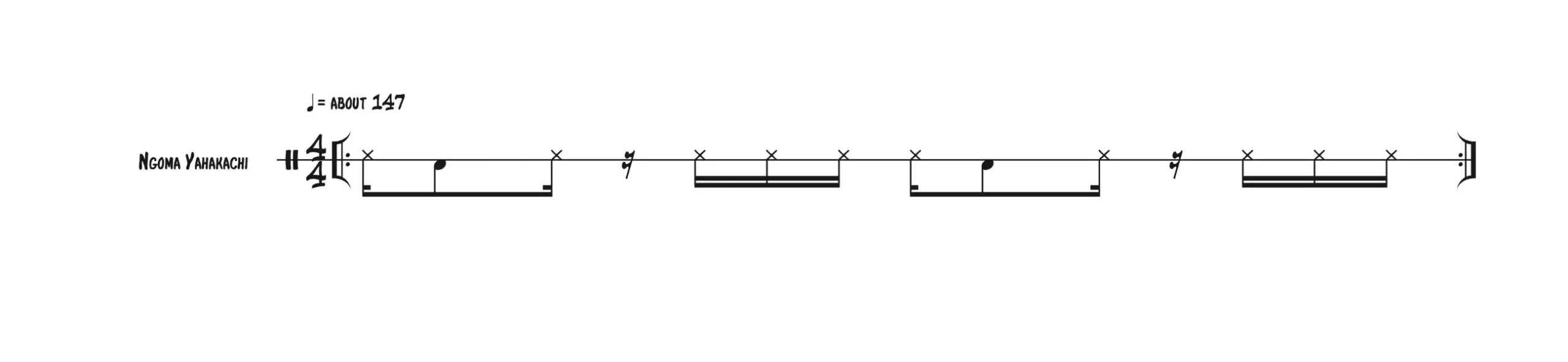
  • Lead drum: ngoma ya shina
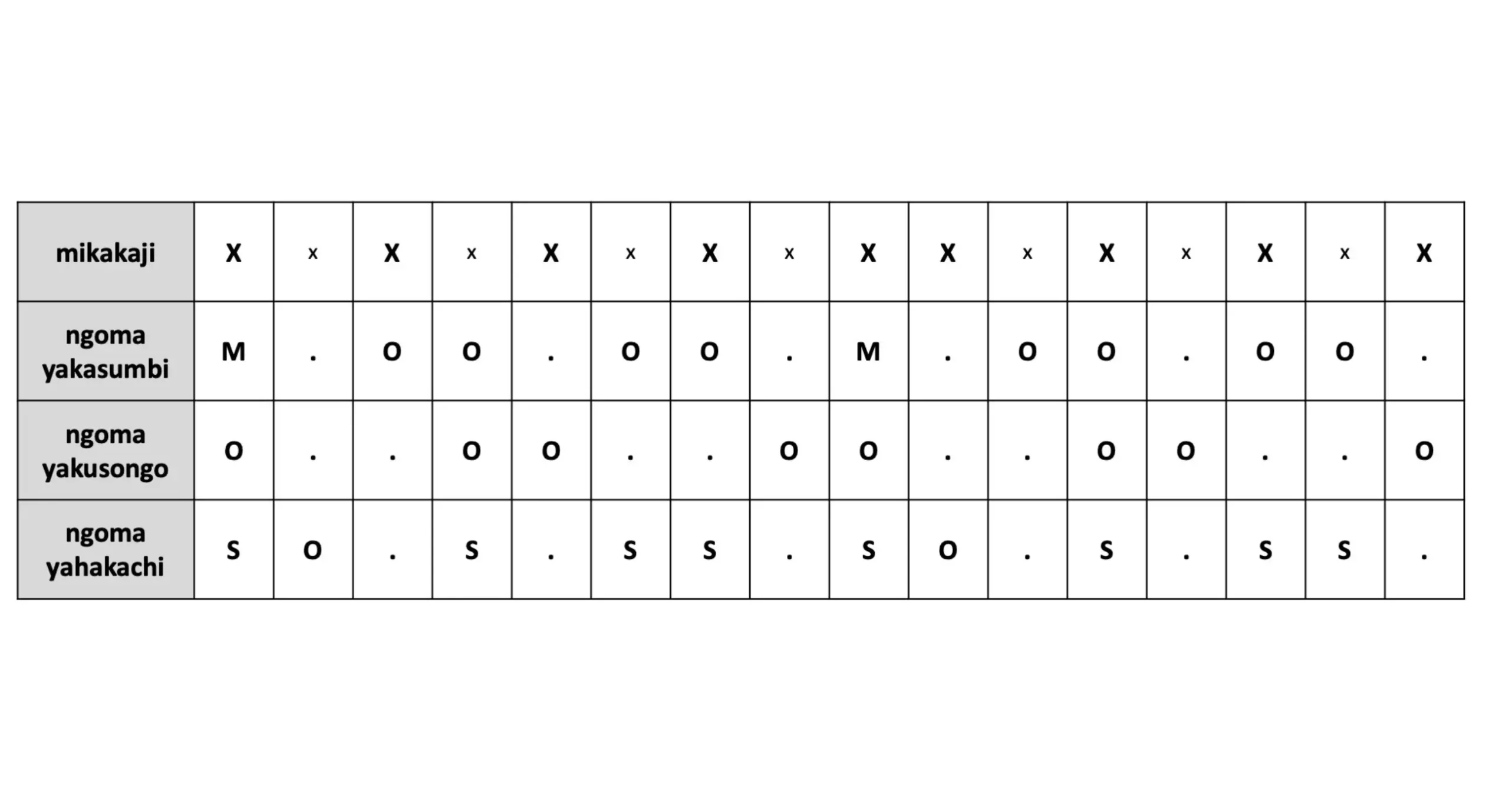
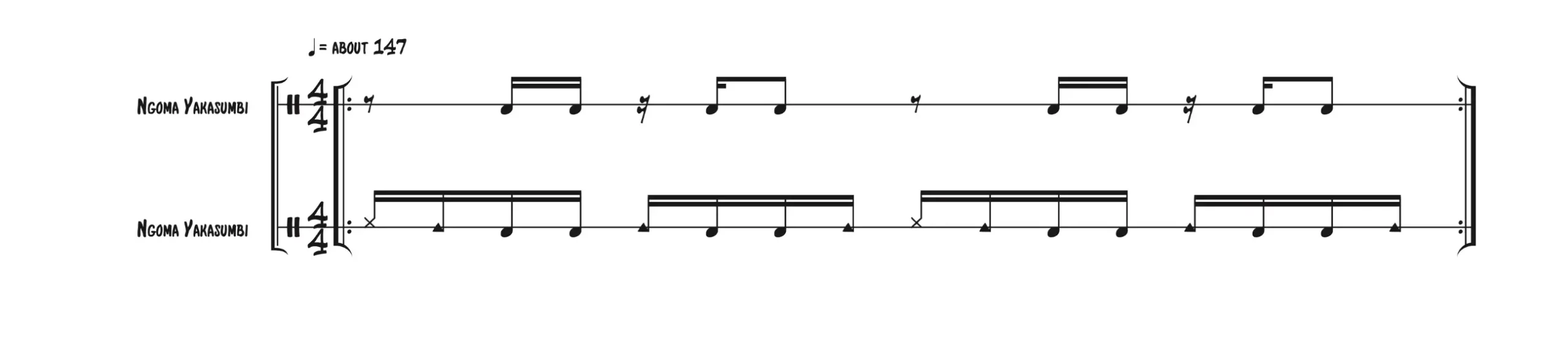
  • Supporting drums: ngoma yahakachi, ngoma yakusongo, ngoma yakasumbi
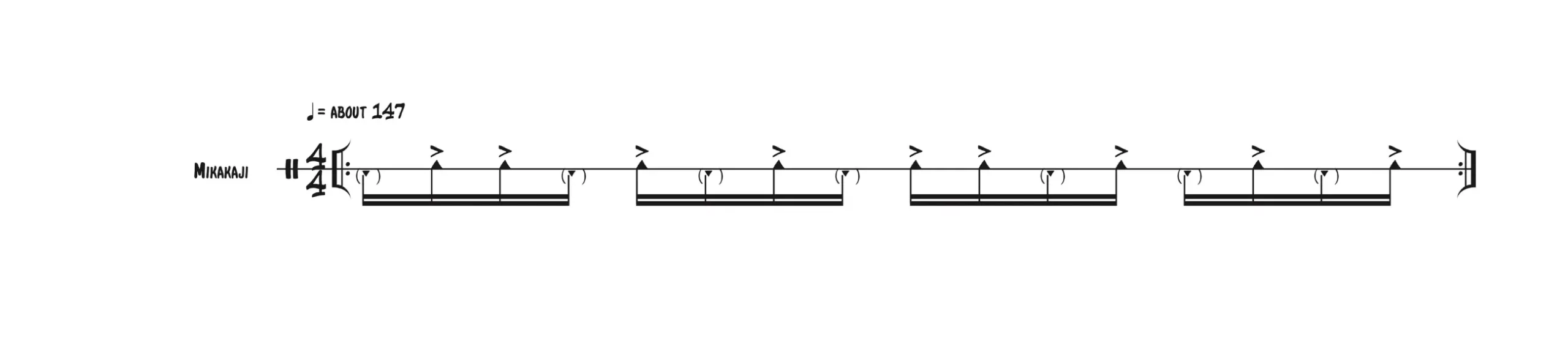
  • Timeline: mikakaji

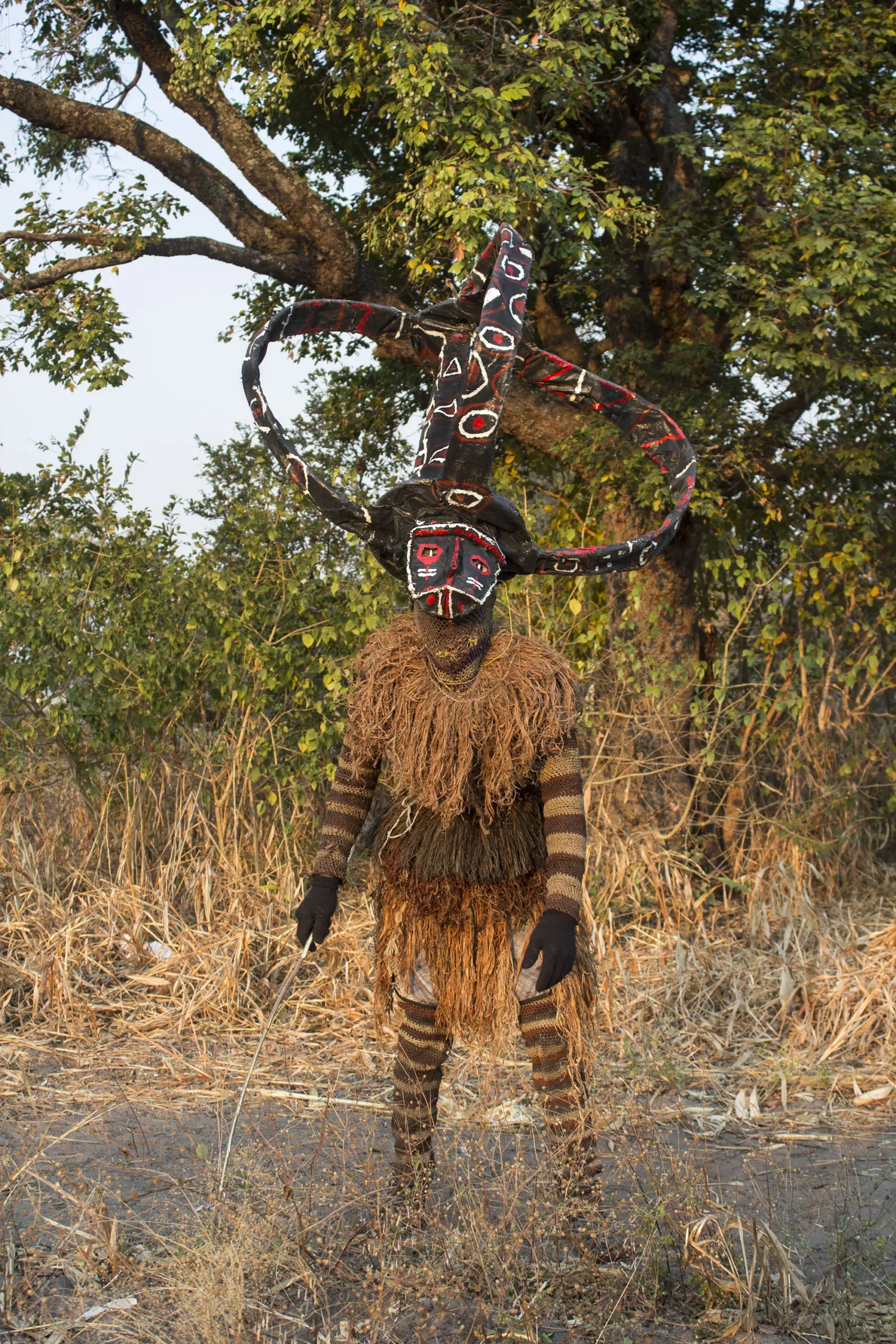
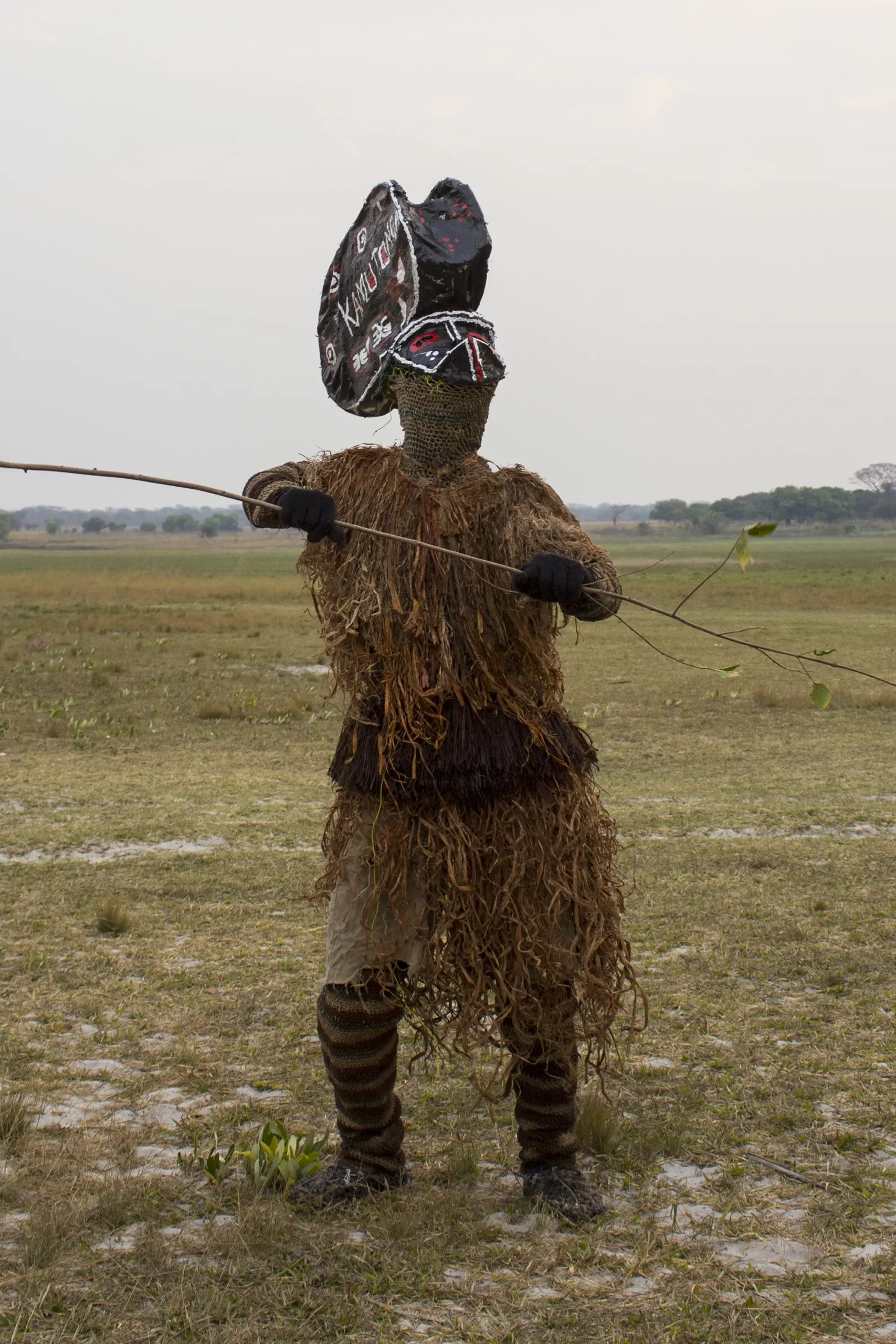
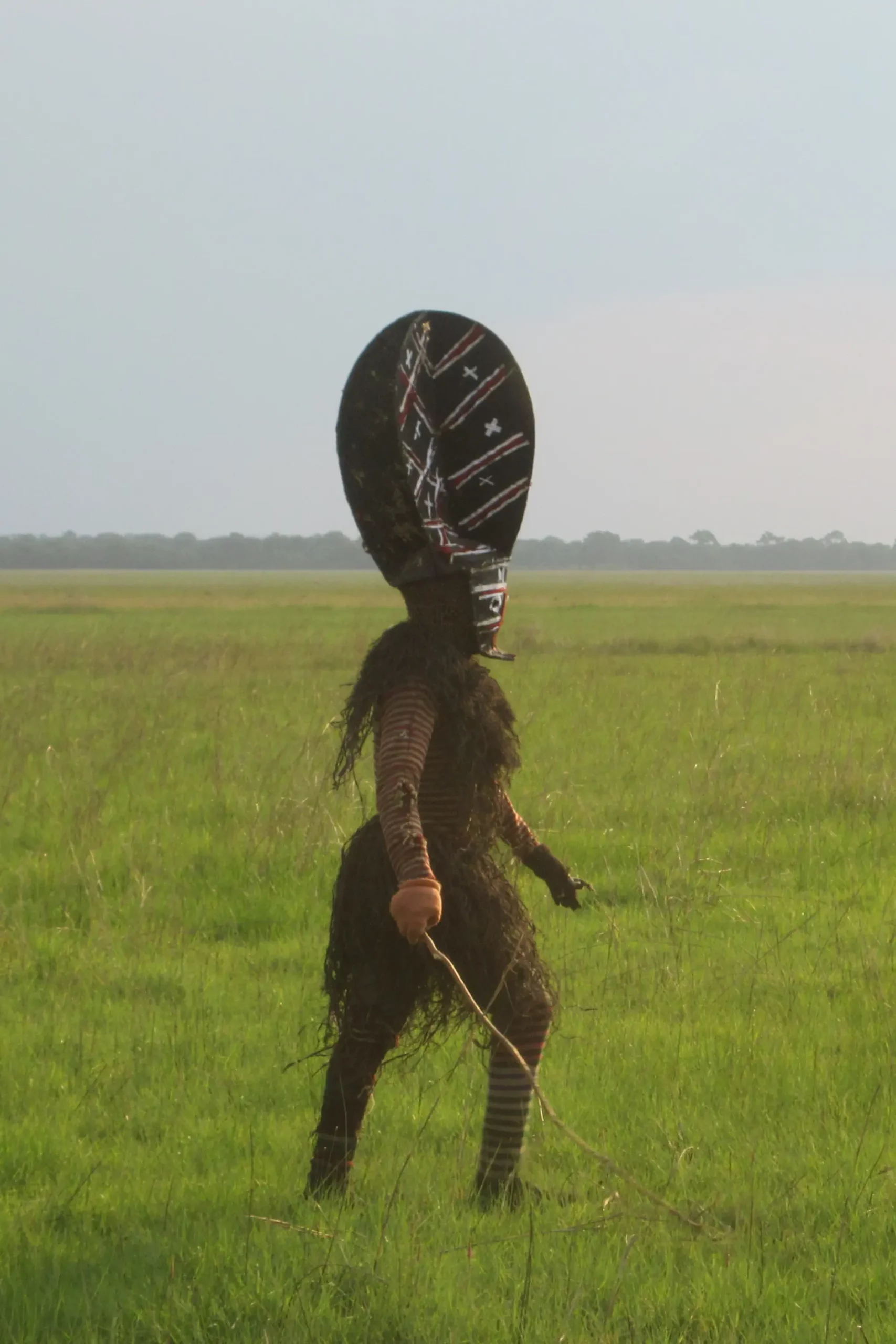
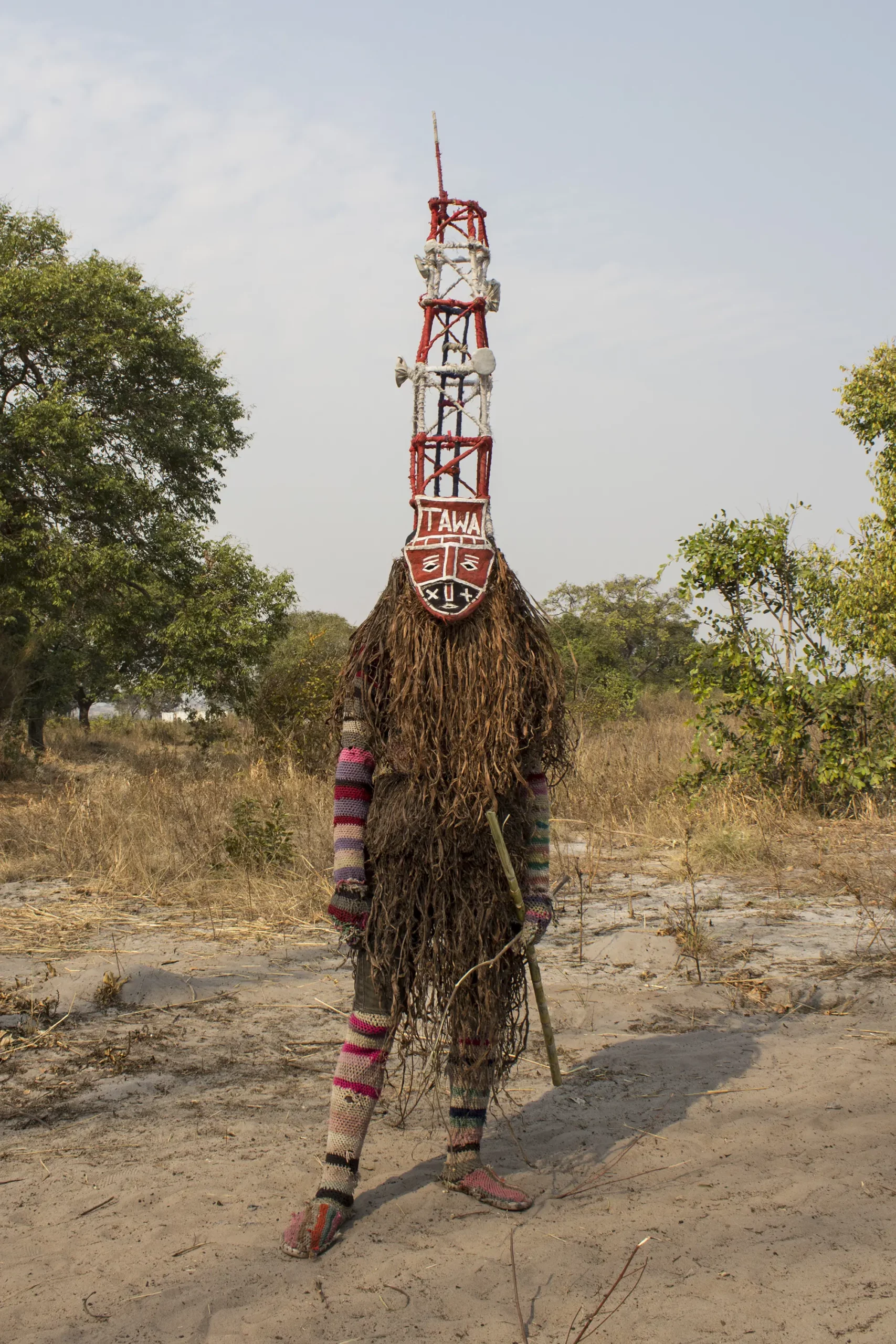
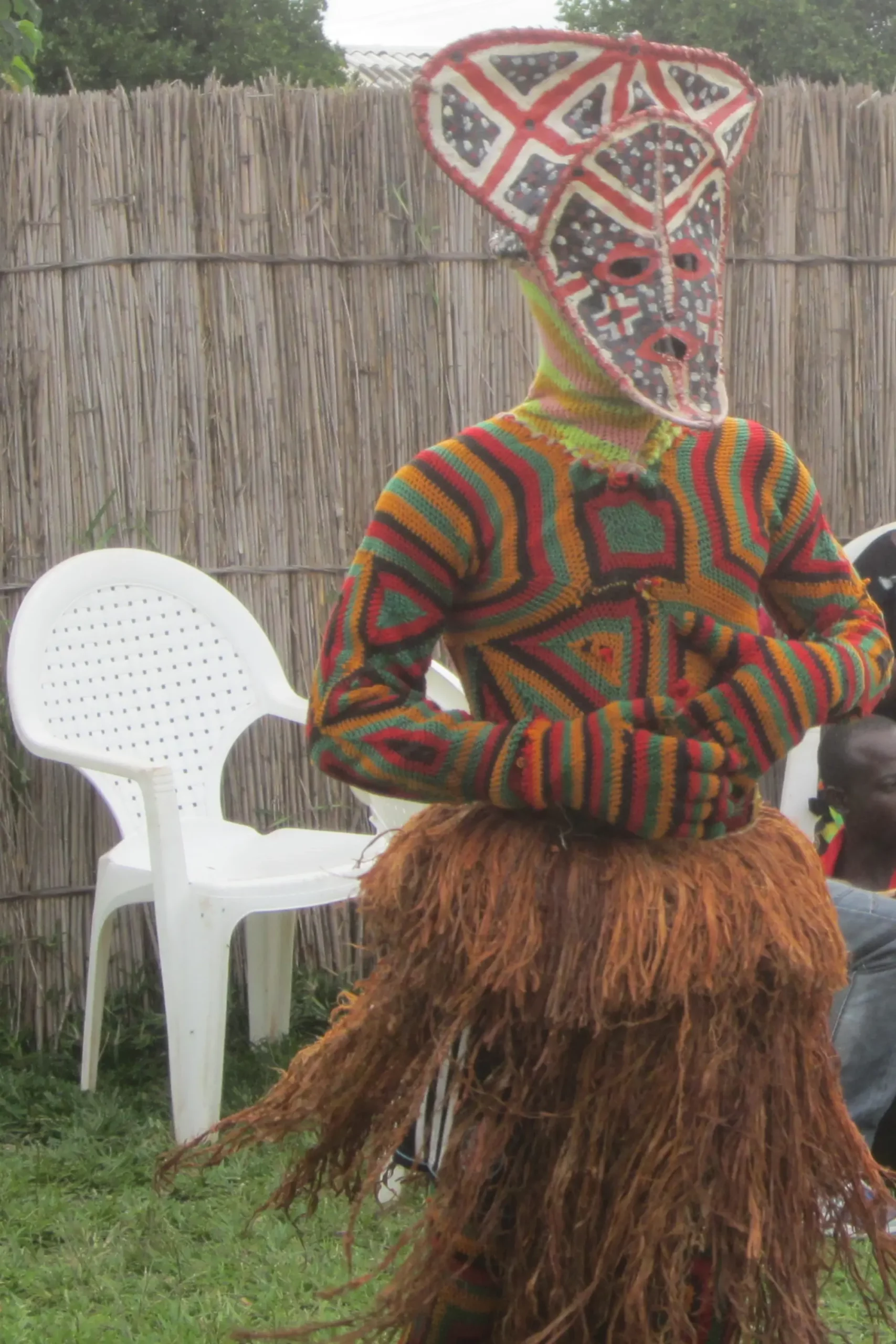
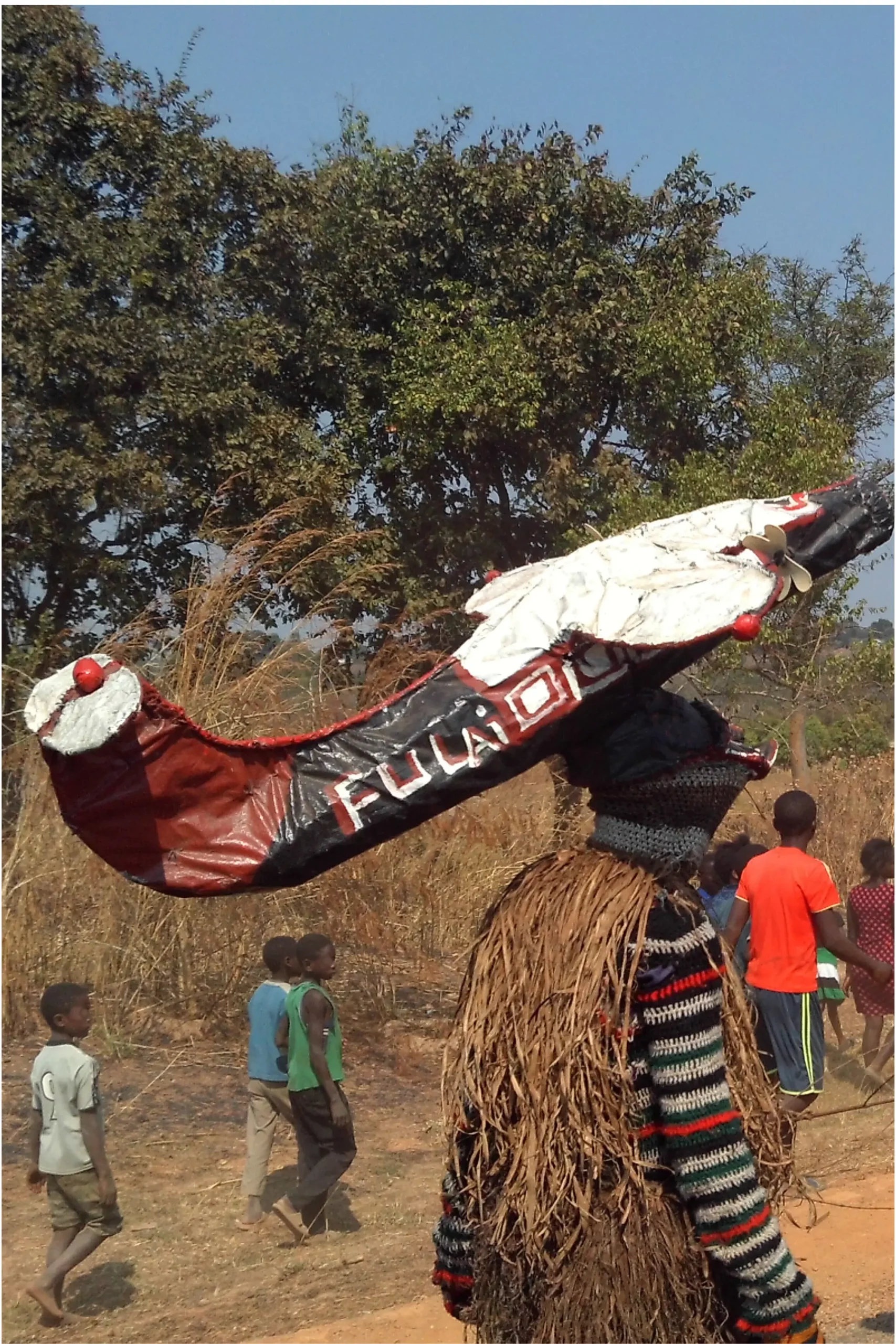
Makishi who dance Kuhunga

Not pictured: Chikwangu, Chimbunji, Mbwanda, Mwendumba

Kuhunga (makishi) Interactive Mixer

Recorded by Chota in Kabwata Village, Lusaka, Zambia on October 28, 2021.

works best in Chrome & Firefox; allow each track to start loading before playing, refresh if necessary

mikakaji performed by David Chinyama
ngoma yakasumbi performed by Chinyama Kelvin Tokha
ngoma yakusongo performed by Kakenge Kandeleyi
ngoma yahakachi performed by William Vunda
shina performed by Chinyama Kelvin Tokha
Kuhunga (makishi) ETC staff notation
Kuhunga (makishi) ETC TUBS notation
ngoma yahakachi vocable as recited by William Vunda

ngoma yakasumbi vocable as recited by Lote Sapato

ngoma yakusongo vocable as recited by Kennedy K. Mweene
mikakaji vocable as recited by William Vunda

Alternate Supporting Drum Parts

alternate ngoma yahakachi part
alternate ngoma yakasumbi parts

Alternate Timeline Part

alternate mikakaji part
  1. Kubik, Gerhard. 1994. Theory of African Music. Vol. 1. 2 vols. Chicago: University of Chicago Press.
  2. Winikoff, Jason. 2024. “Kutanga, Mujimbu, and the Tacit Orchestration of Events Among the Luvale of Zambia.” Music & Science, 7.
  3. Penoni, Isabel. 2018. “Cilende: The Mask Dance at the Luvale Culture Festival (Angola).” Gesto, Imagem e Som 3 (1): 218–57.
  4. Wele, Patrick. 1993. Likumbi Lya Mize and Other Luvale Traditional Ceremonies. Lusaka: Zambia Educational Publishing House.
error: Content is protected!!