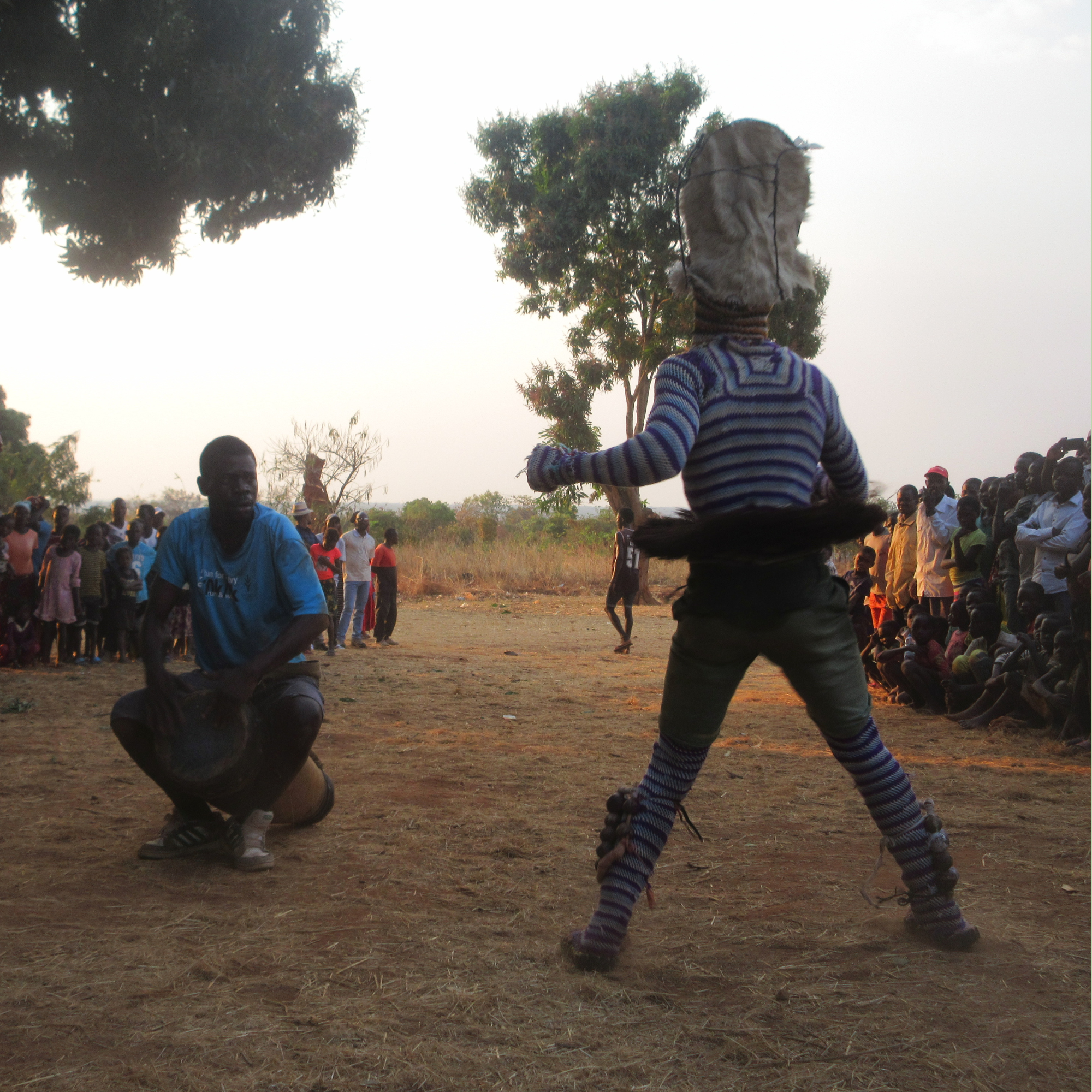
Lenga Navo performing Kachacha on June 12, 2022 in Zambezi, Zambia; higher quality audio will be featured in an upcoming album to be released by ILAM; for higher quality video, download from “Videos of Luvale (and Related) Sonic Culture” link
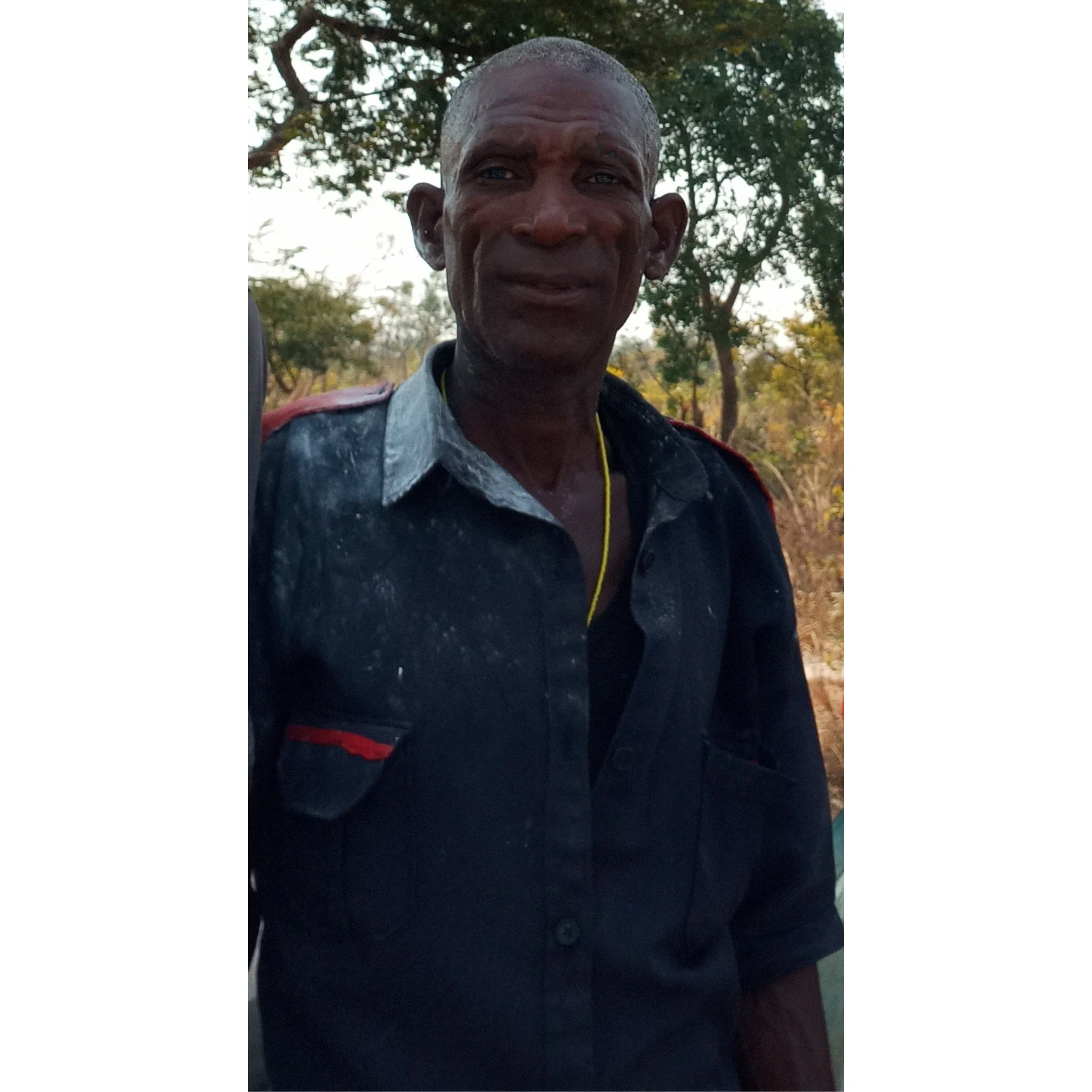
Kenneth Kapalu Lizambo was born in 1957 in Zambezi. His mother was a Luvale from Kashima and his father was a Mbunda from Lutembwe. Kapalu was raised in Zambezi’s Chingalala neighborhood which remains his base to this day. He attended Chilenga Primary School, where he started dancing. Kufuna Kenneth Kapenda became an influential friend of Kapalu’s and taught him about Luvale and other Zambian drumming traditions. Kapenda was a resource because he had been a member of the Maramba Culture group (now known as the Zambian National Troupe) in Livingstone. In 1971 Kapalu began dancing in his school’s culture group. The repertoire consisted mostly of Luvale and Lunda dances common in that region. He also spent six months in a mukanda (traditional male initiation school) in Chingalala with four other tundanji (boy initiates). This is where Kapalu’s love for drumming began.
By this time Kapalu was already blossoming into a gifted dancer, singer, and drummer. The final ingredient needed to facilitate his growth as a bona fide entertainer came from an unexpected source shortly after he left school in 1977. A traveling magician from present-day Democratic Republic of the Congo made semi-regular trips to Zambezi, Chavuma, and other nearby areas. Kapalu was entranced by his showmanship and shadowed him for a little while. Calling himself Dr. Moto, he also had a brief stint as a magician. It was during this period that Kapalu fully realized how much he loved performing and started planning the formation of his own cultural group.
In 1984, Kapalu was married in Chavuma. A year later he and his wife had their first child, and in 1988 he realized his dream and formed the influential Lenga Navo dance troupe. Perhaps the biggest influence Kapalu and his group had was the transformation of dances like Chiyanda and Mwokolo into solo dancer artforms. Kapalu also believes that he is largely responsible for the increased tempo at which these items of repertoire are currently performed. Through this group he became arguably the most renowned performer in this cultural region.
Initially, Lenga Navo had fifteen members. Among them was the recently returned Kapenda who was one of the group’s most influential members. In its early years, Lenga Navo mostly danced at a local venue, the Ndeke Guest House. At some point in the 90s, though, Kapalu and his group began dancing at Likumbi Lya Mize Cultural Association fundraising dinner dances. This is where his trademark dance style started spreading. Many groups emerged in the following years that tried to imitate the Lenga Navo approach. Kapalu trained many of these groups’ performers.
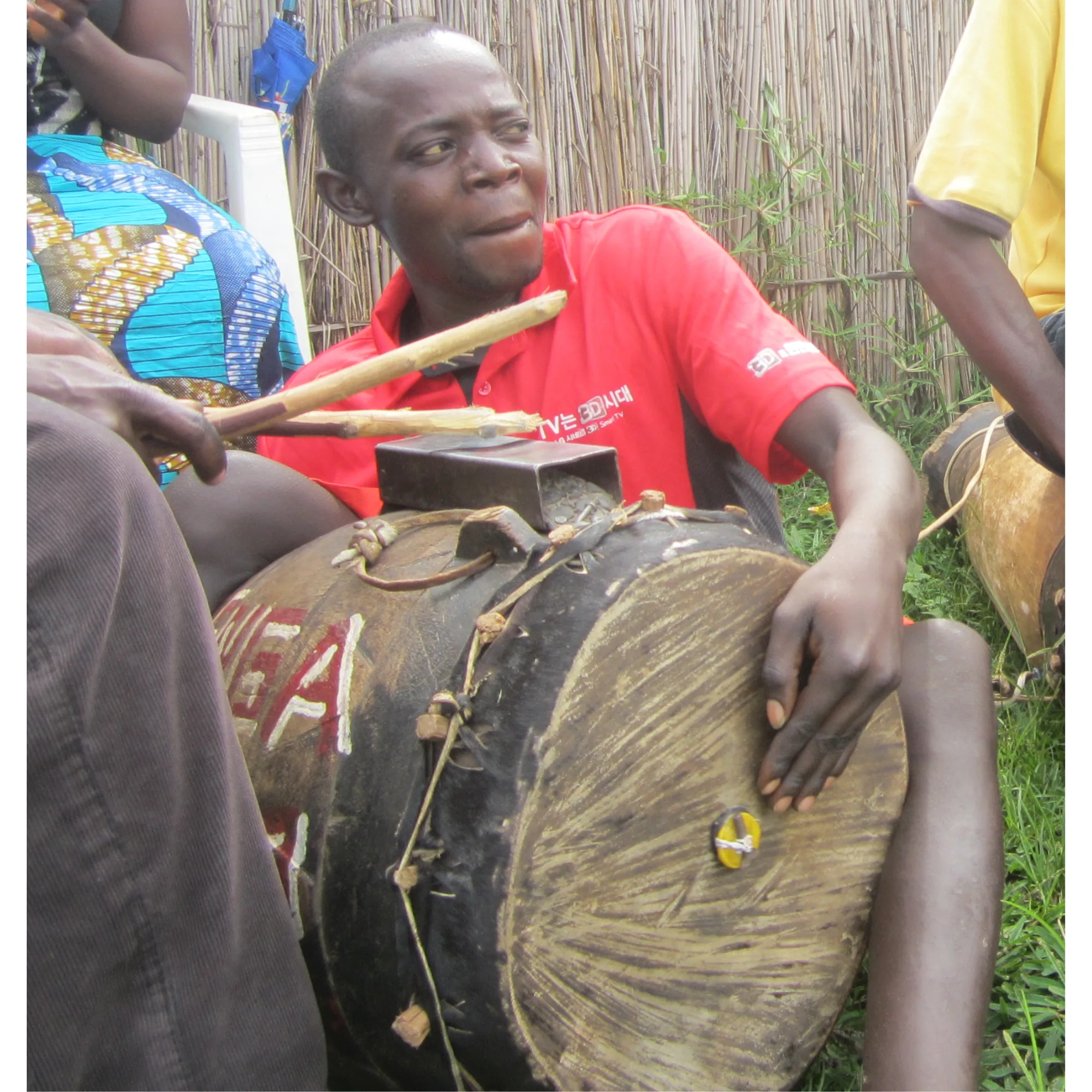
Kakoma Sawemba playing ngoma pwita; 2/3/2014; Zambezi, Zambia
Back in Zambezi, he continued to cultivate Lenga Navo by training talented youth – oftentimes through various roles in local mikanda (plural of mukanda). He is responsible for the largest mukanda in Chingalala history.1 Notable additions to his roster that resulted from these cultural institutions were Kakoma Sawemba and Chinyemba Musumali. Under Kapalu’s tutelage, Kakoma has become one of the most dominant ngoma pwita drummers, and Chinyemba’s mastery of the ngoma yashina lead drum has earned him the nickname “Chinyemba Ka Luvale.”
Chinyemba “Ka Luvale” Musumali playing ngoma ya shina; 8/8/2019; Cazombo, Angola
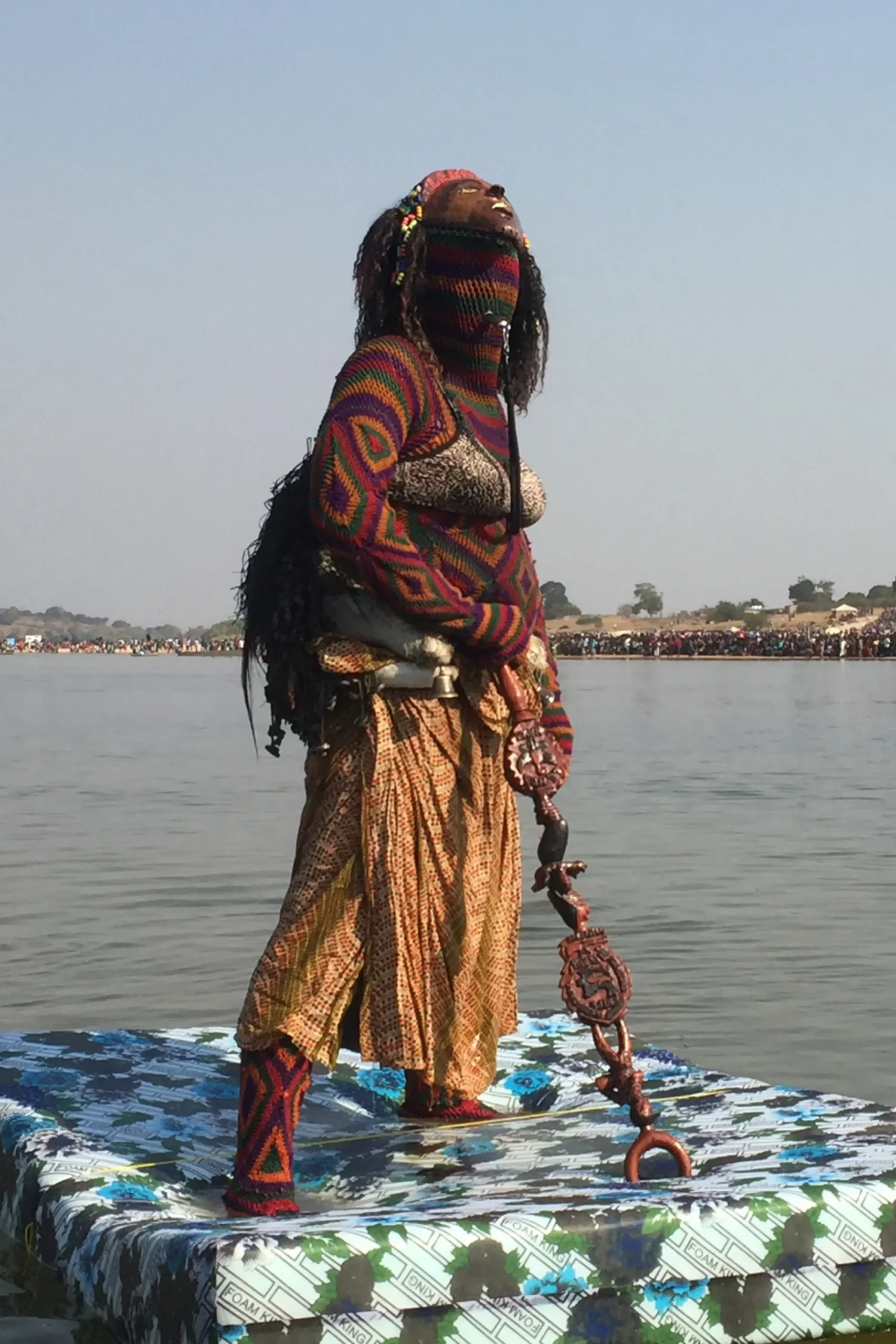
Lenga Navo have been resident performers at the Romaside Nite Club since the late 2000s, firmly establishing them as hometown heroes of Zambezi and, to an extent, the entire Northwestern Province. They are one of the most entertaining groups fronted by possibly the most beloved version of Mwana Pwevo, Suzanna. Kapalu’s reputation has resulted in international performances in countries like Angola, Zimbabwe, and the Seychelles. He has been recognized through numerous awards from the Likumbi Lya Mize Cultural Association as well as nationally. In 2013 he and Lenga Navo were awarded Best Cultural Music Troupe at the Zambian Music Awards.
If you would like to book or help support Lenga Navo, please contact Jason Winikoff using the button in the footer of this page or through the contact page.
Lenga Navo’s Mwana Pwevo, Suzanna, dancing on a floating mattress on the Zambezi River; 24/8/2017; Zambezi, Zambia
This mukanda is considered the biggest in Chingalala’s history because of the largest number of makishi, a sizeable number of tundanji, and a massive chilende (including the believed first muchapa dance of likishi lya Mwana Pwevo). Furthermore, Kapalu was applauded for procuring ample resources, feeding all men who visited the mukanda, and dressing participants (such as vanyatundanji and vilombola) well. His reputation and high profile also ensured that this particular